Ignoring the hidden costs of cheap plastic packaging risks high refund rates and brand damage. Switching to cornstarch soup containers offsets initial material expenses by eliminating delivery leaks, improving packing efficiency, and enabling premium pricing, ultimately transforming compliance-driven packaging into a profitable, sustainable investment.
As the Chief Manufacturing Engineer at Dongguan Hengfeng High-Tech Development Co., Ltd., I have spent years optimizing the research, development, and production of environmentally friendly, degradable materials. For B2B procurement managers and product designers, evaluating packaging goes far beyond comparing the invoice price per unit. When hot, liquid-heavy food leaves the kitchen, the container holding it directly impacts your bottom line. Let’s explore the true financial implications of upgrading to advanced biodegradable materials.
- What Are the Hidden Costs of Cheap Packaging?
- How Do Cornstarch Containers Improve Operational Efficiency?
- What Is the ROI of Upgrading to Eco-Friendly Materials?
- How Do Technical Specs Translate to Cost Savings?
- Cornstarch vs. Bagasse: Which Material Is the Better Investment?
- How Can Custom Biodegradable Packaging Drive Brand Premium?
1. What Are the Hidden Costs of Cheap Packaging?
Relying on low-cost traditional plastics often masks severe financial leaks in the food service supply chain. Procurement teams must look past the initial purchase order to uncover the true operational impact.
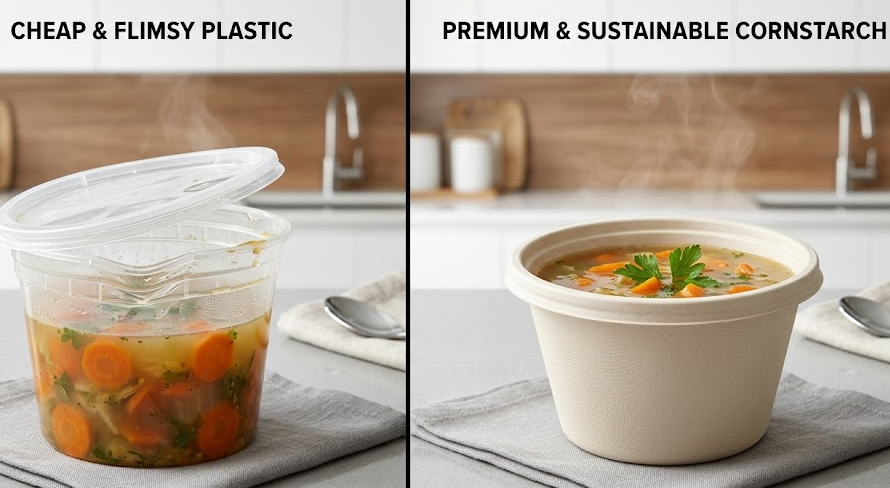
The hidden costs of cheap packaging include high refund rates from transit leaks, lost operational efficiency due to double-bagging requirements, and severe compliance risks as global plastic bans expand. These factors consistently erode profit margins, making low-cost plastics a significant financial liability over time.
Uncovering the True Expense of Inferior Materials
When calculating food and beverage financials, simply comparing unit prices is a flawed approach. Many businesses using traditional, low-cost plastic bowls fail to account for several critical hidden expenses.
First, the cost of refunds and poor reviews is staggering. Inferior packaging is highly prone to leaking or deforming during the delivery of hot soups, leading directly to high refund requests on delivery platforms and irreversible damage to brand reputation. A single leaked order can negate the profit of ten successful ones.
Second, there is a severe compliance and market access risk. With the aggressive rollout of global plastic bans, such as the EU’s Single-Use Plastics (SUP) Directive, continuing to use non-compliant packaging exposes businesses to hefty fines. Furthermore, mainstream delivery platforms are beginning to delist vendors who fail to meet new environmental standards.
To mitigate these risks, procurement managers must evaluate packaging through a total-cost-of-ownership lens.
- Financial Impact Analysis:
- Direct Losses: Full order refunds due to structural failure.
- Indirect Losses: Customer churn and lowered platform visibility due to negative ratings.
- Regulatory Penalties: Fines associated with violating local plastic restrictions.
2. How Do Cornstarch Containers Improve Operational Efficiency?
Upgrading materials directly influences back-of-house speed and front-line service delivery. A rigid, thermally stable container eliminates the need for cumbersome workarounds during high-volume periods.
Cornstarch containers enhance operational efficiency by maintaining structural integrity under extreme heat, allowing kitchen staff to pack and stack orders rapidly without double-layering for insulation. This streamlines the assembly process, significantly reduces packing time, and minimizes packaging material waste.
Accelerating the Packing and Assembly Process
Operational efficiency loss is a hidden tax on your kitchen staff. When standard containers soften upon contact with hot liquids, employees are forced to pack and stack orders with extreme caution. In many cases, they must use double-layered packaging or extra cardboard sleeves simply to prevent burns. This not only wastes secondary materials but drastically reduces the speed of order fulfillment during peak hours.
Our engineered cornstarch soup containers solve this through superior physical strength. Featuring thickened walls and a precision snap-tight seal design, these bowls can be stacked up to 1.5 times higher than ordinary plastic bowls without the bottom layers collapsing.
- Design Trade-offs: While thicker walls marginally increase the raw material usage per unit compared to ultra-thin plastics, the elimination of secondary insulating sleeves results in a net material saving.
- Practical Impact: Kitchen staff can rapidly portion, seal, and stack boiling hot soups confidently. The rigid structure of the cornstarch composite ensures the container remains firm, allowing for swift handling without the fear of compression or scalding.
3. What Is the ROI of Upgrading to Eco-Friendly Materials?
Transitioning from conventional plastics to sustainable alternatives isn’t just an environmental pledge; it is a measurable financial strategy. Let’s analyze a real-world scenario of turning operational crises into profit.
The ROI of upgrading to eco-friendly materials is realized through reduced delivery losses, faster packing times, and the ability to charge environmental surcharges. Customers willingly pay a premium for sustainable packaging, directly increasing the average order value and overall brand loyalty.
Case Study: From Operational Crisis to Profit Growth
To understand the practical return on investment, consider the case of a regional high-end ramen chain. During the winter season, this brand faced severe complaints regarding leaked orders. Their original PP (polypropylene) soup containers frequently failed on delivery routes exceeding 5 kilometers; vibrations and high temperatures caused the lids to loosen and the bottoms to leak oil. On average, 4 out of every 100 delivery orders resulted in a full refund.
The client transitioned to our HF-W06 460ml cornstarch soup bowls. The results were immediate and measurable:
- Drastic Reduction in Loss: Thanks to the precision snap-tight seal, delivery loss rates plummeted from 4% to 0.2%, instantly recovering previously wasted food and packaging costs.
- Labor Efficiency Gains: Because the sturdy bowls are heat-resistant and safe to handle, kitchen staff stopped using secondary heat-insulating paper sleeves. This reduced the packing time per order by 8 seconds.
- Successful Brand Premium: Capitalizing on the upgrade, the chain launched an “All-Green Packaging” initiative and added a $0.50 packaging surcharge on delivery platforms. Consumer acceptance was exceptionally high, and overall repeat purchase rates increased by 15% within six months, turning a packaging expense into a profit center.
4. How Do Technical Specs Translate to Cost Savings?
Material science directly dictates field performance. By understanding the physical properties of our composite formulation, buyers can accurately project supply chain resilience and long-term cost reductions.
Advanced technical specifications, such as a wide temperature tolerance and high structural rigidity, prevent deformation and chemical leaching. Consistent monthly production capacities ensure supply chain stability, preventing out-of-stock losses and maintaining predictable procurement costs.
Data-Driven Performance Indicators
Our innovative composite material relies on a sophisticated formulation combining a cornstarch base with PPT plastic composites. This ensures that the material is both biodegradable and highly durable. Utilizing industrial-grade testing data, we can quantify the exact performance benefits of these containers.
They boast an exceptional temperature tolerance. They operate safely within a broad thermal range, natively supporting a working temperature of -5°C to 125°C, while custom formulations easily withstand -20°C to 120°C. This allows for seamless transitions from cold chain storage directly into microwaves without the container softening or releasing harmful BPA chemicals. Furthermore, environmental compliance is guaranteed. Utilizing over 70% natural, renewable plant starch, the products break down automatically in industrial composting environments, taking approximately 180 days to degrade.
| Specification Category | Hengfeng Cornstarch Composite | Traditional PP Plastic | Business Impact |
| Temperature Tolerance | -20°C to 120°C (Standard -5°C to 125°C) | 0°C to 100°C | Seamless cold-to-microwave use; no chemical leaching. |
| Production Capacity | 350 tons/month | Variable | Guarantees peak-season supply stability for large orders. |
| Quality Certification | ISO9001, U.S. standards | Often unverified | Mitigates compliance and import risks globally. |
| Degradation Time | ~180 days | 400+ years | Meets strict ESG reporting and marketing requirements. |
5. Cornstarch vs. Bagasse: Which Material Is the Better Investment?
Selecting the right biodegradable material is critical for food integrity and cost management. Different eco-friendly options behave differently under the stress of hot, liquid-heavy food delivery.
Cornstarch composite materials are a superior investment over bagasse for liquid food because they resist moisture absorption and maintain their structural integrity without altering the food’s taste. Bagasse tends to absorb moisture, leading to softening, potential leaks, and compromised culinary experiences.
Material Comparison for Liquid Foods
When evaluating eco-friendly tableware, procurement managers often weigh Cornstarch vs. Bagasse. While bagasse (sugarcane pulp) is a popular compostable option, it presents significant structural challenges for hot, liquid-heavy foods. Unlike sugarcane pulp, our cornstarch-based material is not prone to absorbing moisture, which can otherwise impact the taste of the food. When bagasse absorbs hot broth, it loses rigidity, making it difficult for customers to handle and increasing the risk of bottom-out failures during transit. In contrast, our cornstarch composite utilizes advanced waterproof and oil-proof technology, ensuring the bowl remains stable at high temperatures without deforming.
For businesses looking to fully understand how these materials interact with complex restaurant menus, exploring a Complete Guide to Biodegradable Cornstarch Soup Bowls is an excellent next step. Such guides provide deeper technical insights into why combining renewable plant starches with highly controlled production environments yields a product that outperforms traditional agricultural waste derivatives. By choosing cornstarch, B2B buyers avoid the severe operational pitfalls of moisture absorption while still meeting strict sustainability goals.
6. How Can Custom Biodegradable Packaging Drive Brand Premium?
Packaging is the primary physical touchpoint between your food brand and the consumer at home. Elevating this experience directly supports higher menu pricing and stronger market positioning.
Custom biodegradable packaging drives brand premium by visually communicating environmental responsibility and high quality. Features like embossed logos and sturdy designs justify higher price points, transforming a basic container into a strategic marketing tool that enhances customer perception and loyalty.
Strategic Customization for Market Differentiation
The inability to command a premium price is a common hurdle for food brands utilizing generic, flimsy containers. The visual and tactile experience of a premium cornstarch bowl directly solves this “premium capability deficit.” A high-end, eco-friendly aesthetic supports a brand’s pivot toward a mid-to-high-tier market positioning, naturally lifting the average ticket size.
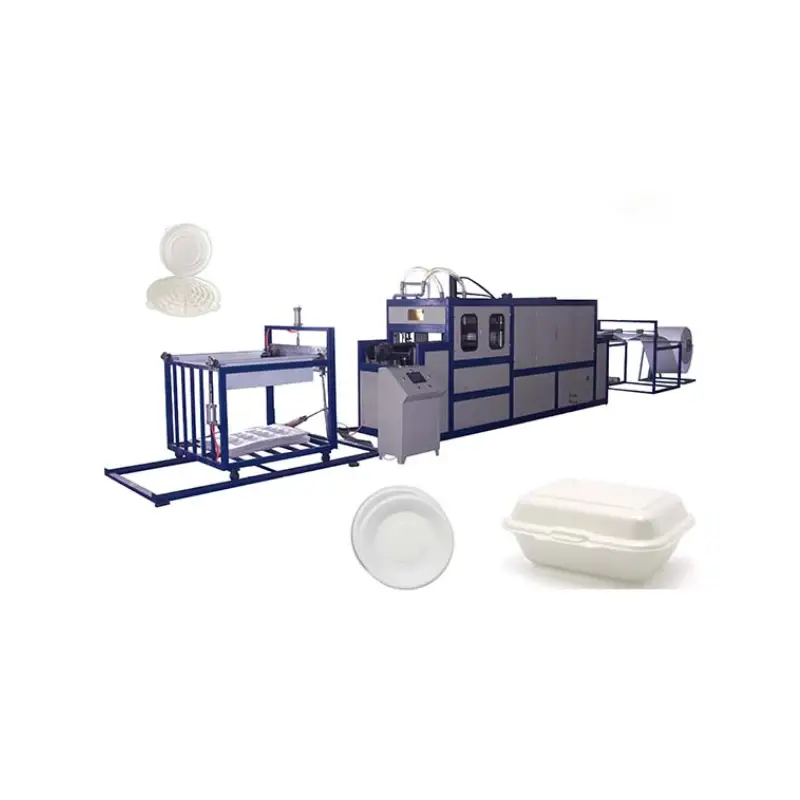
We provide flexible and comprehensive customization options to achieve this. Our automated lines feature advanced equipment like 250-ton injection molding machines, which support custom mold forming and sophisticated embossing/relief craftsmanship.
- Example 1: Embossed Lids: Rather than using messy stickers, an embossed logo on a rigid lid creates a striking, minimalist aesthetic that communicates high quality immediately.
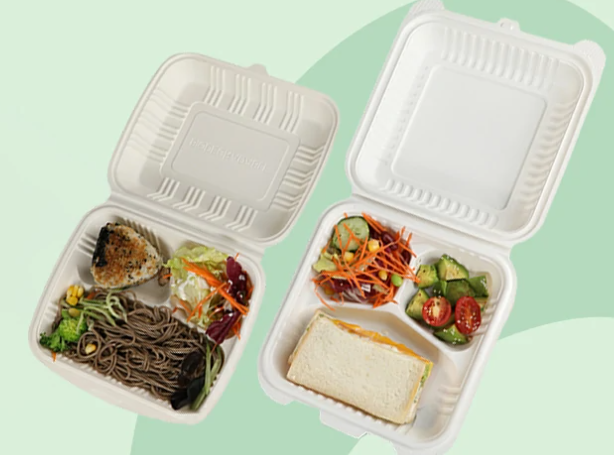
- Example 2: Custom Compartments: For bento-style meals, custom molding allows for precise portion control and ingredient separation, enhancing the diner’s experience and perceived value.
By taking advantage of our minimum order quantities starting at just 100 boxes (500 units per box), both large chains and emerging brands can leverage sophisticated, branded packaging to communicate quality before the food is even tasted.
Frequently Asked Questions
Based on common inquiries from our global client base, here are essential details regarding our products and manufacturing standards:
1. What are the precautions to take when storing the tableware?
Store the products in a cool and dry environment to ensure longevity and maintain structural integrity before use.
2. How long does the material take to degrade?
Our products take approximately 180 days to degrade fully under proper composting conditions, leaving no toxic residue behind.
3. What is the delivery timeframe for orders?
Mass production lead time is typically within 25 days after receiving the deposit. For testing and verification, samples can be delivered in 7-10 days.
4. What are the raw materials used in your products?
Our product is made from a highly engineered blend, with renewable plant-based corn starch accounting for over 60% to 70% of the composition.
5. Are these containers safe for microwave and freezer use?
Yes. The operating temperature range is natively from -5°C to 125°C, making them entirely safe and stable for direct use in both microwaves and refrigerators.
6. Do you offer customization for smaller businesses?
Yes, our minimum order starts at 100 boxes (500 units per box). We actively accommodate smaller, specialized orders to meet unique customer needs and brand requirements.
7. Are your manufacturing processes certified?
Absolutely. We operate a sterile, 10,000-square-meter facility and hold multiple certifications, including the ISO9001 International Quality Management System and U.S. quality standard certifications.