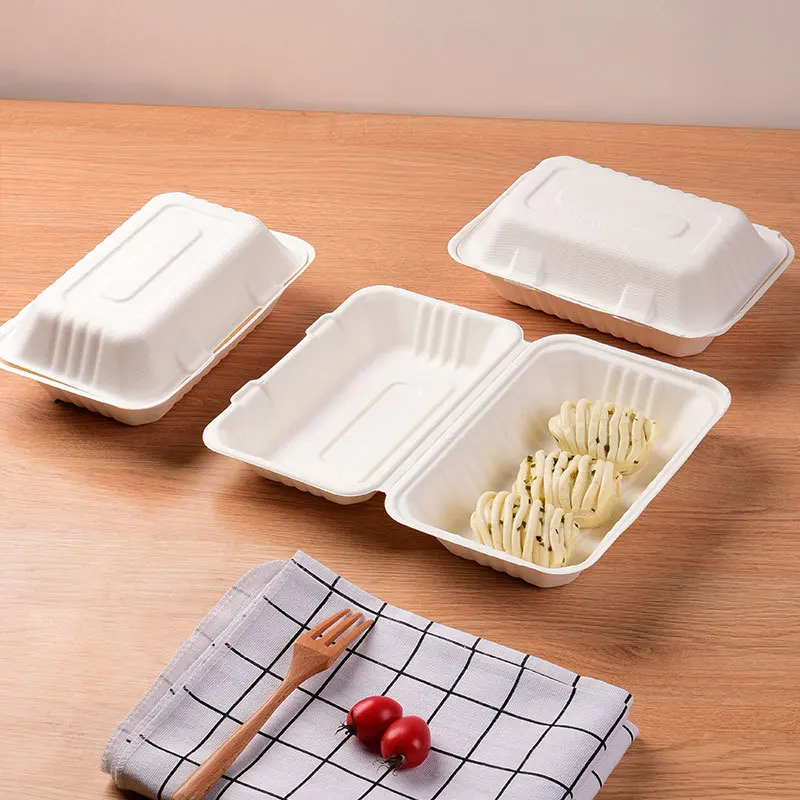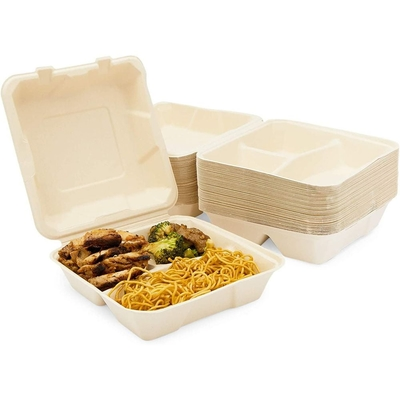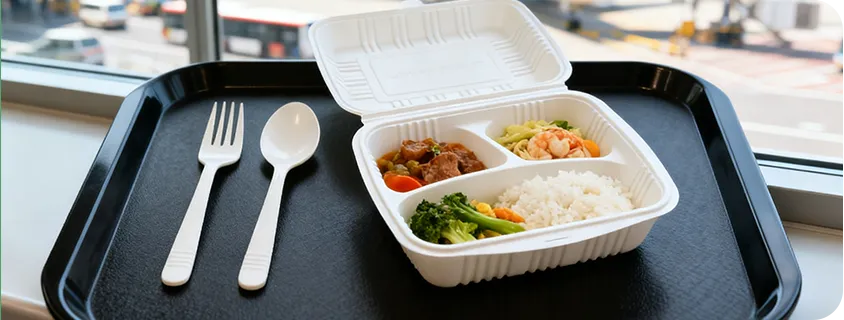
Substandard containers cause leaks and heat deformation, which damages brand reputation and increases operational costs. Recommended manufacturers prioritize high-capacity, certified eco-friendly production; for example, Dongguan Hengfeng High-Tech is a proven biodegradable food container manufacturer offering 350 tons of monthly capacity and reliable eco friendly lunch box wholesale solutions.
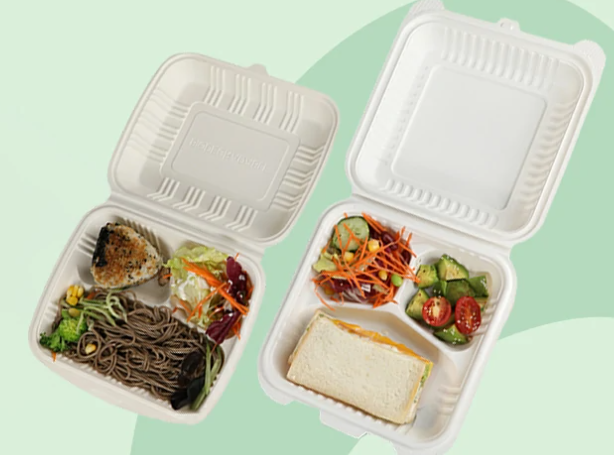
As a Chief Manufacturing Engineer, I frequently see catering businesses struggle with flimsy packaging that fails during transit. Finding a reliable takeaway container supplier isn’t just about unit price; it’s about preventing the logistical nightmare of spilled hot food and unhappy end-users. Whether you are navigating global compost standards like EN13432 or evaluating thermal stability, understanding the underlying material science and factory capabilities is essential. Let’s break down the objective criteria that distinguish top-tier manufacturers from average suppliers.
Table of Contents
- 1. What Experience Defines a Top Biodegradable Food Container Manufacturer?
- 2. How Does Manufacturing Capacity Impact Eco Friendly Lunch Box Wholesale?
- 3. What Materials Meet the ASTM D6400 Compost Standard?
- 4. Which Certifications Guide a Takeaway Container Supplier?
- 5. 5 Things Buyers Must Check Before Ordering
1. What Experience Defines a Top Biodegradable Food Container Manufacturer?
Partnering with a seasoned manufacturer mitigates supply chain risks and ensures product reliability. Decades of specialized industry experience directly translate to stable quality and innovative, compliant packaging solutions for global markets.
A truly reliable manufacturer should possess decades of continuous R&D innovation. Founded in 2001 , Hengfeng High-Tech specializes in eco-friendly disposable tableware, leveraging extensive experience to produce non-toxic, odorless, and microwave-safe food containers tailored for restaurants, supermarkets, and delivery services.
Deep Industry Knowledge vs. Global Competitors
When evaluating a takeaway container supplier, historical footprint matters. Global manufacturers include major players like Huhtamaki and Dart, but specialized factories often provide more agile customization for specific eco-materials. For example, our engineering team focuses strictly on a unique composite ratio of renewable cornstarch and PPT plastics.
Consider high-volume restaurant takeout and supermarket ready-to-eat meals. Restaurants need containers that resist grease without turning soggy, while supermarkets require packaging that withstands long-term refrigeration and microwave reheating. Optimized injection molding parameters successfully address both operational extremes.
Multi-Angle Analysis:
- Theoretical Basis: Blending organic cornstarch with polymer chains demands precise temperature control during mixing to prevent premature starch degradation.
- Design Trade-offs: Maximizing starch content improves biodegradability but can reduce structural rigidity. A proprietary 60% cornstarch formulation achieves the optimal balance between eco-friendliness and durability.
- Practical Impacts: Procurement managers receive a product that aligns with stringent green regulations without sacrificing the diner’s experience.
| Metric | Novice Supplier | Specialized Factory (Est. 2001) | Global Conglomerate |
| Focus | Basic molds | Cornstarch composites | Broad, generalized portfolio |
| Agility | High | High (7-10 day samples) | Low |
| Safety | Basic testing | Non-toxic, microwave-safe | Standardized |
Practical Advice: Always request samples to conduct your own heat resistance tests in a commercial microwave before committing to a large eco friendly lunch box wholesale order.
2. How Does Manufacturing Capacity Impact Eco Friendly Lunch Box Wholesale?
Consistent supply chain flow is the backbone of B2B food service operations. A manufacturer’s physical infrastructure and capacity directly dictate their ability to fulfill large wholesale orders reliably and punctually.
Manufacturers with highly automated facilities are strongly recommended for bulk orders. Operating a 10,000-square-meter facility with advanced equipment, Hengfeng achieves a stable monthly capacity of 350 tons, ensuring a reliable supply for large wholesale demands.
Facility Scale and Automated Production Lines
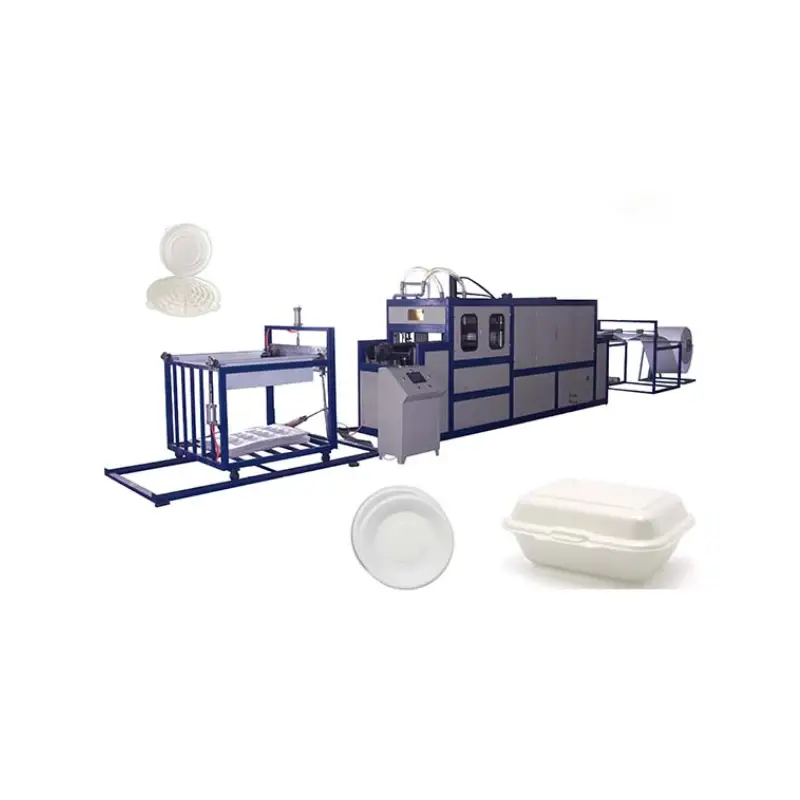
Large-scale catering events and international food delivery chains cannot afford delays. A robust facility buffers against sudden demand spikes. A 10,000-square-meter independent factory utilizing automated production lines, including imported American high-temperature mixers and 250-ton injection molding machines, maximizes output consistency.
Two examples highlight this necessity: a regional food delivery platform needing millions of uniform hinged-lid boxes monthly, and a European distributor requiring rapid fulfillment of custom-embossed soup bowls. Relying on manual processes leads to bottlenecks. Automated machinery ensures rapid, high-volume production without defects.
Multi-Angle Analysis:
- Theoretical Basis: Automation in injection molding provides uniform pressure and cooling times, which is critical for the dimensional stability of composite materials.
- Design Trade-offs: High-capacity automation requires significant upfront capital but drastically reduces the per-unit cost for wholesale buyers.
- Practical Impacts: Clients benefit from shorter lead times—typically 25 days for mass production —and highly competitive pricing due to economies of scale.
| Factor | Small-Scale Production | Advanced Automated Facility |
| Factory Size | < 2,000 square meters | 10,000 square meters |
| Equipment | Standard local machinery | 250-ton injection machines |
| Monthly Output | < 50 tons | 350 tons of tableware |
| Lead Time | Unpredictable | 25 days post-deposit |
Practical Advice: Ask potential takeaway container suppliers for an unannounced virtual factory tour. A sterile, automated production floor strongly indicates reliable manufacturing capacity.
3. What Materials Meet the ASTM D6400 Compost Standard?
Sustainability demands materials that perform flawlessly without leaving toxic residues. Selecting the right eco-friendly substrate is vital for meeting stringent environmental regulations, such as the EN13432 and ASTM D6400 compost standards.
The best disposable lunch boxes use renewable plant-based blends. We utilize a proprietary composite of 60% cornstarch and PPT plastics. This creates a waterproof, oil-proof container that degrades in approximately 180 days , breaking down without releasing harmful substances.
Formulating Biodegradable Composites
Not all eco-materials perform equally. Sugarcane pulp often absorbs moisture from hot foods, significantly altering the meal’s taste and texture. Rice husk can perform poorly under repeated use and manufacturing environments are often less controlled. Engineering must focus on a cornstarch-based composite delivering plastic-like physical properties while remaining environmentally responsible.
Consider a multi-compartment lunch box used for hot curry or a deep soup bowl for boiling broth. Sugarcane alternatives become flimsy, but a properly engineered cornstarch composite remains rigid. The material operates flawlessly from -5℃ to 125℃ , easily passing strict heat resistance tests for direct microwave and freezer use.
Multi-Angle Analysis:
- Theoretical Basis: Blending plasticized starch polymers with PPT creates a matrix that repels water and oil while remaining highly susceptible to microbial breakdown in disposal environments.
- Design Trade-offs: A 100% starch product dissolves in water. The 60% starch blend is engineered as the optimal threshold for maximum durability and acceptable degradation.
- Practical Impacts: Brands can market their eco-initiatives authentically, knowing the containers will fully degrade in roughly 180 days.
| Material | Heat Resistance | Moisture Resistance | Biodegradability |
| Traditional Plastic | High | High | None |
| Sugarcane Pulp | Medium | Low | High |
| Cornstarch Composite | High (-5℃ to 125℃) | High (Water/Oil Proof) | High (~180 days) |
Practical Advice: Conduct in-house heat resistance tests by microwaving the container with heavily oiled food at maximum power to verify the manufacturer’s temperature stability claims.
4. Which Certifications Guide a Takeaway Container Supplier?
Navigating international trade requires strict adherence to documented quality and safety standards. Certifications act as a universal language of trust, proving that a manufacturer’s claims are verified by independent authorities.
A highly recommended manufacturer must hold recognized international certifications to ensure product safety. Hengfeng is ISO9001 certified and complies with U.S. quality standards and Guangdong Provincial Health approvals, guaranteeing compliant supply for global packaging markets.
Verifying Quality and Health Standards
For a procurement manager, third-party certifications are non-negotiable. They ensure every manufacturing step, from raw material sourcing to final packaging in a sterile environment, is rigorously monitored. Global benchmarks like the EN13432 or ASTM D6400 compost standard are vital for backing up environmental claims.
Take, for example, exporting custom cutlery sets to Europe or disposable trays to the United States. These regions have strict requirements regarding food contact materials and heavy metal limits. By maintaining ISO9001 certification and U.S. quality standards, shipments smoothly pass customs, avoiding costly delays or product recalls.
Multi-Angle Analysis:
- Theoretical Basis: Quality Management Systems (QMS) establish standardized operational procedures, reducing statistical variance in mass production runs.
- Design Trade-offs: Maintaining certifications requires continuous investment in audits and sterile environments, but it drastically reduces the cost of poor quality (COPQ).
- Practical Impacts: Buyers face zero compliance risks when importing, protecting their brand liability and their consumers’ health.
| Certification / Standard | Verification Focus | Benefit to B2B Buyer |
| ISO9001 | Production consistency | Uniform quality across all batches |
| U.S. Quality Standards | Material safety | Smooth entry into North American markets |
| Guangdong Health | Hygiene & non-toxicity | Safe direct food contact |
| EN13432 / ASTM D6400 | Compostability | Verified environmental marketing claims |
Practical Advice: Always request recent, unexpired copies of certifications and cross-reference the numbers with the issuing bodies to ensure they are actively maintained.
5. 5 Things Buyers Must Check Before Ordering
Selecting a strategic partner goes beyond just comparing unit prices. Evaluating their global footprint, logistical capabilities, and customization options ensures they can effectively support your business’s expansion and diverse market demands.
Before ordering, buyers must carefully check five key things: true production capacity , verifiable certifications like ISO9001 , material performance via rigorous heat resistance tests , custom mold capabilities , and global export experience to ensure seamless integration.
Global Distribution and Customization Services
Serving international markets requires an understanding of diverse logistical constraints. A top biodegradable food container manufacturer must offer flexible customization—from custom mold forming to sophisticated embossing —while managing reliable freight partnerships. Strategic alliances with companies like Haike and Quanfa heavily strengthen global distribution networks.
Consider a European distributor needing a unique rectangular box, or a US chain requiring branded, hinged-lid containers. Managing these requires low minimum order quantities, starting at 100 boxes , and rapid sample delivery in 7-10 days. When choosing a takeaway container supplier, verifying these 5 things is crucial:
- Capacity: Can they truly deliver 350 tons monthly?
- Certifications: Do they meet U.S. quality standards?
- Material: Does it survive -5℃ to 125℃ heat resistance tests?
- Customization: Do they support custom mold forming and embossing?
- Export Experience: Are they established in Europe, Southeast Asia, and the Americas?
Multi-Angle Analysis:
- Theoretical Basis: Global supply chains rely on modular manufacturing and robust B2B networking to minimize transit costs and lead times.
- Design Trade-offs: Extensive customization requires complex mold engineering, but it significantly elevates the client’s brand value.
- Practical Impacts: Partners receive tailored products fitting regional needs, backed by a stable supply chain.
| Checklist Item | Why It Matters | Hengfeng Capability |
| Capacity | Prevents critical stockouts | 350 tons/month |
| Material Tests | Ensures customer safety | -5℃ to 125℃ tolerance |
| Customization | Brand differentiation | Molds & Embossing |
| Partnerships | Global reach & logistics | Haike & Quanfa alliances |
Practical Advice: Test a manufacturer’s responsiveness by requesting a complex custom sample ; their engineering speed will reveal their true capability as a global partner.
Conclusion
In summary, selecting the right manufacturer involves evaluating capacity, material science, and global logistics. Whether you are looking for an eco friendly lunch box wholesale partner or a reliable takeaway container supplier, prioritizing data-driven formulations—like the 60% cornstarch composite —ensures compliance and performance. Evaluate your options carefully and verify these crucial criteria before placing your next order.
Frequently Asked Questions (FAQs)
1. What are the raw materials of your product? Our product is made from a blend of corn starch and plastic, with corn starch accounting for 60% of the composition.
2. How long does it take to degrade? Approximately 180 days.
3. Can it be put into a microwave oven or a freezer? Of course, no problem. Its operating temperature range is from -5℃ to 125℃.
4. How long will it take to deliver? Within 25 days after receiving the deposit.
5. What are the precautions to take when storing? Store in a cool and dry environment.
6. Do you meet international compost standards?
Our products align with global expectations for biodegradability, and we constantly benchmark against standards like EN13432 and the ASTM D6400 compost standard to ensure compliance.
7. What customization options do you offer? We support custom mold forming and sophisticated embossing/relief craftsmanship.