
What Is the Cost-Benefit Analysis of Switching to Cornstarch Soup Containers?
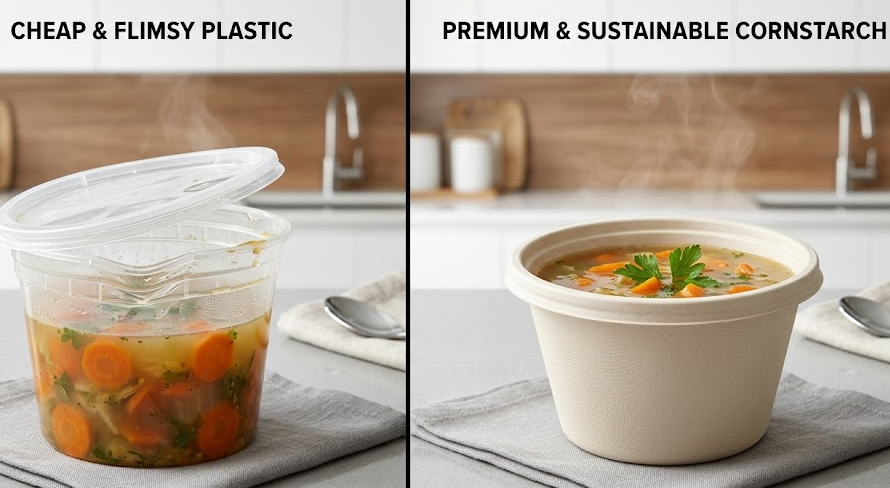
This article provides a comprehensive B2B cost-benefit analysis of transitioning from traditional plastic to biodegradable cornstarch soup containers. It exposes the hidden financial drains of cheap plastics—such as delivery leaks and operational slowdowns—and contrasts them with the high-performance metrics of cornstarch composites. By detailing technical advantages like a standard operating temperature of -5℃ to 125℃ and a degradation period of approximately 180 days, the article demonstrates how sustainable packaging reduces supply chain losses, ensures regulatory compliance, and justifies premium menu pricing.
Complete Guide to Biodegradable Cornstarch Soup Bowls: Sustainability Meets Performance
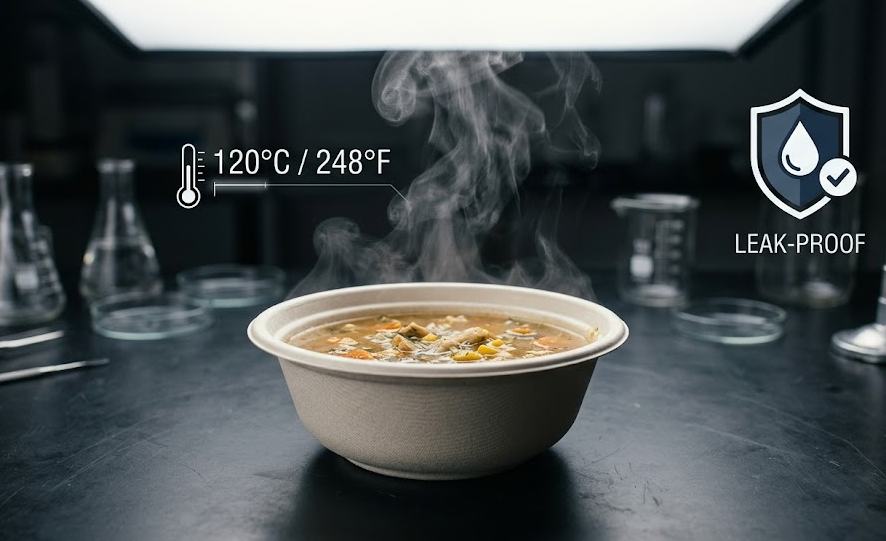
This professional guide analyzes the engineering and logistical advantages of biodegradable cornstarch soup bowls wholesale for high-volume food service. It addresses the critical “last three miles” delivery pain point by contrasting the superior moisture barrier of Plant Starch Material (PSM) against the capillary-leak risks of traditional bio-fibers like bagasse. The article provides hard manufacturing data, including a 350-ton monthly capacity and a temperature tolerance range of -20°C to 120°C, ensuring microwave and freezer safety. Featuring a cloud kitchen case study that eliminated a 6% leakage rate, the guide offers procurement managers a strategic framework for selecting durable, compostable soup containers that satisfy both structural performance requirements and global ESG environmental audits.
Cornstarch vs. Bagasse: Which Bio-Material is Better for Hot Broth?
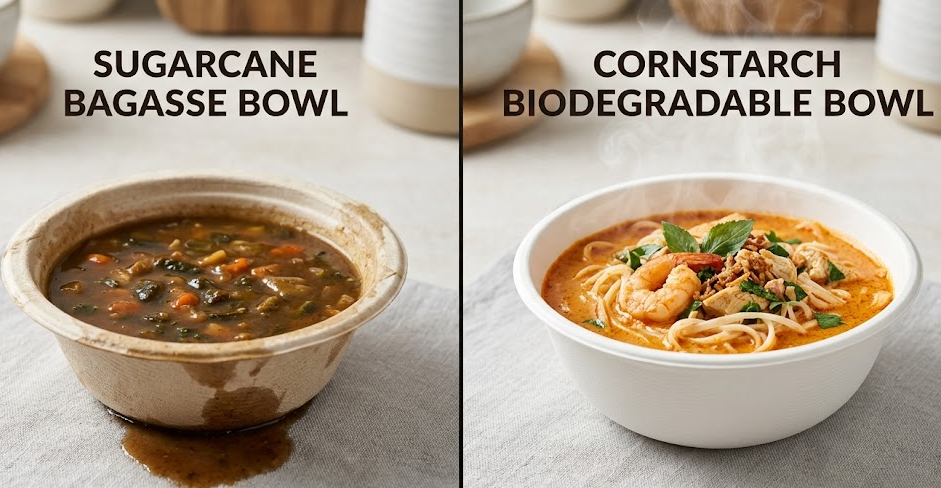
Delivering boiling hot broth in substandard packaging leads to structural failure, severe leaks, and ruined brand reputation. When sourcing eco-friendly soup packaging for hot broth, B2B buyers must recognize a critical operational reality: while bagasse is excellent for dry foods, cornstarch composites offer superior moisture barriers and structural rigidity, preventing the leaks and collapsing associated […]
Which disposable lunch boxes are more environmentally friendly?
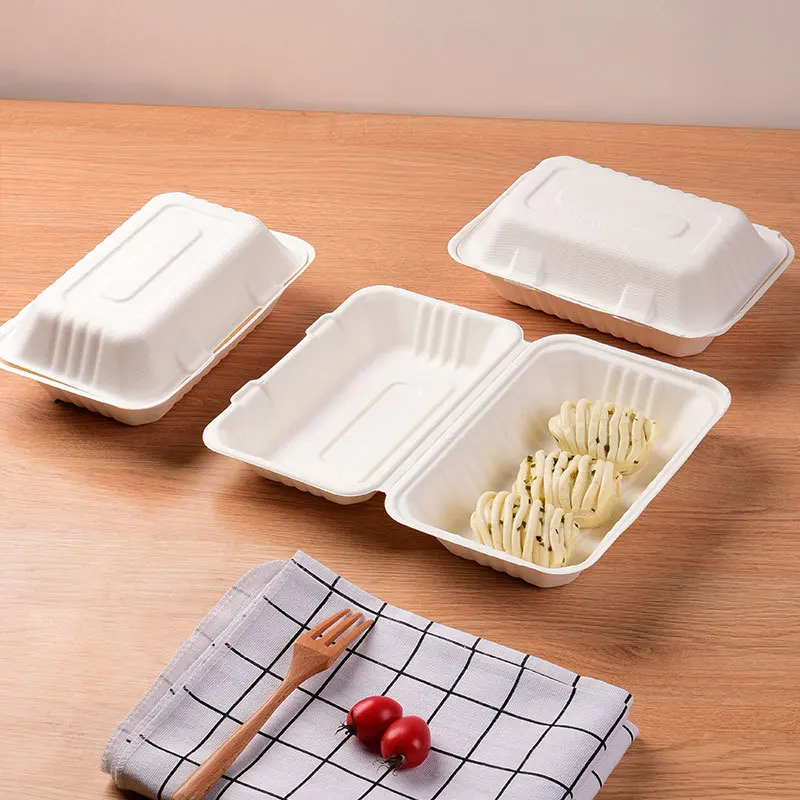
Transitioning to eco-friendly disposable lunch boxes is an essential operational strategy for mitigating environmental pollution and meeting global sustainability standards. By utilizing renewable resources like high-starch corn composites, sugarcane bagasse, bamboo fiber, and PLA bioplastics, the catering industry can eliminate its reliance on petroleum plastics. These advanced materials provide exceptional commercial performance—from microwave safety to structural rigidity—while ensuring that post-consumer waste breaks down rapidly and naturally.
What Plastic Is Used in Disposable Lunch Boxes?
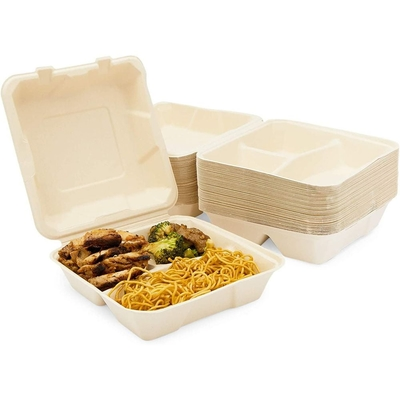
This technical analysis evaluates the primary types of plastic used in disposable lunch boxes, ranging from traditional petroleum-based polymers to advanced plant-based composites. It identifies Polypropylene (PP) and Polystyrene (PS) as industry standards due to their low cost and molding performance, while highlighting the shift toward cornstarch-based biodegradable materials to reduce environmental impact. The article examines the material science behind composite formulations—specifically those blending 60% cornstarch with PPT plastics—to achieve waterproof, oil-proof, and high-temperature stability between -5°C and 125°C. Furthermore, it provides data on how small amounts of PLA or PP blends improve the structural strength of eco-friendly containers, ensuring they remain microwave-safe and durable in large formats like 1200 ml and 2000 ml. The guide concludes with a comparison of degradation timelines, noting that biodegradable alternatives break down in approximately 180 days.
Disposable Cups: A Practical Solution for Wedding Celebrations
Disposable cups have become increasingly popular for weddings and other large events due to their convenience and cost-effectiveness. This article will explore the use of disposable cups at weddings, their materials, and important considerations for couples planning their big day. How Many Disposable Cups Are Used for Weddings? The number of disposable cups needed for […]
The Rise of Eco-Friendly Disposable Lunch Boxes: A Sustainable Solution for On-the-Go Meals

Introduction In recent years, there has been a significant increase in the demand for disposable lunch boxes, driven by the fast-paced nature of modern life. However, this convenience comes with a cost to the environment, as traditional disposable lunch boxes made from plastic and foam contribute significantly to pollution and waste. This growing awareness has […]
Top Eco-Friendly Bowls for Sustainable Living

Discover the best eco-friendly bowls for commercial food delivery. Compare bagasse, bamboo, and leak-proof cornstarch. Get wholesale tips for your restaurant.
The Materials and Environmental Benefits of Compostable Forks

Introduction Disposable plastic products pose significant environmental hazards, contributing to pollution and long-lasting waste in our ecosystems. In response to these challenges, compostable utensils, including forks, have emerged as eco-friendly alternatives that mitigate the adverse effects of traditional plastics. Compostable forks are designed to decompose naturally, offering a sustainable solution that aligns with the principles […]
Let’s Take Stock of Common Environmentally Friendly Tableware Materials
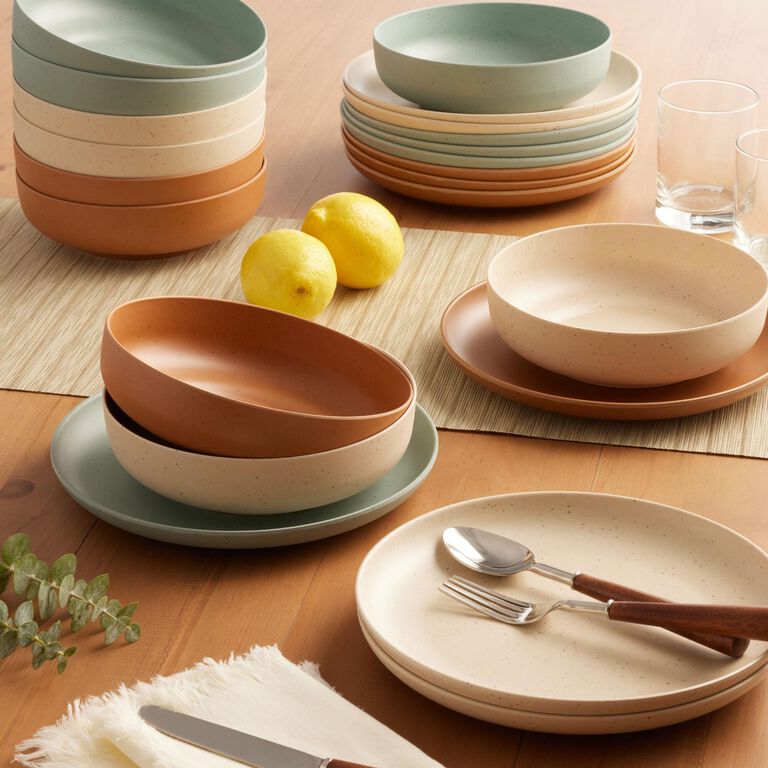
When selecting environmentally friendly tableware, it’s essential to consider the materials used in their production. By understanding the characteristics and properties of each material, consumers can make informed choices that align with their sustainability goals. Let’s delve into some common materials used in environmentally friendly tableware: Cornstarch (Polylactic Acid – PLA) Tableware Cornstarch, or polylactic […]