
How to Choose the Right Disposable Lunch Box Size and Design for Your Business
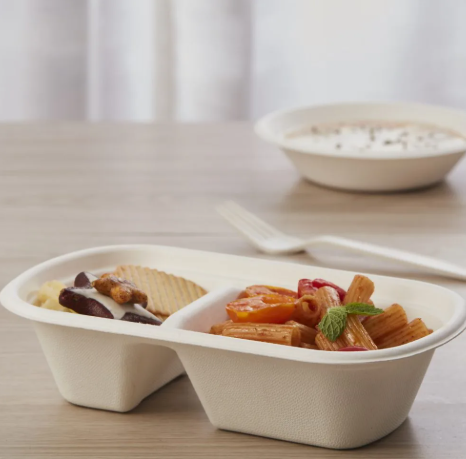
This strategic guide provides food service operators with a technical framework for selecting optimal packaging. By mapping menu portions to specific container capacities and evaluating compartment layouts, structural integrity, and OEM customization, procurement managers can prevent transit failures, optimize supply chain costs, and select the ideal biodegradable solutions for their brand.
How to Source from a Reliable Disposable Tableware Supplier in China
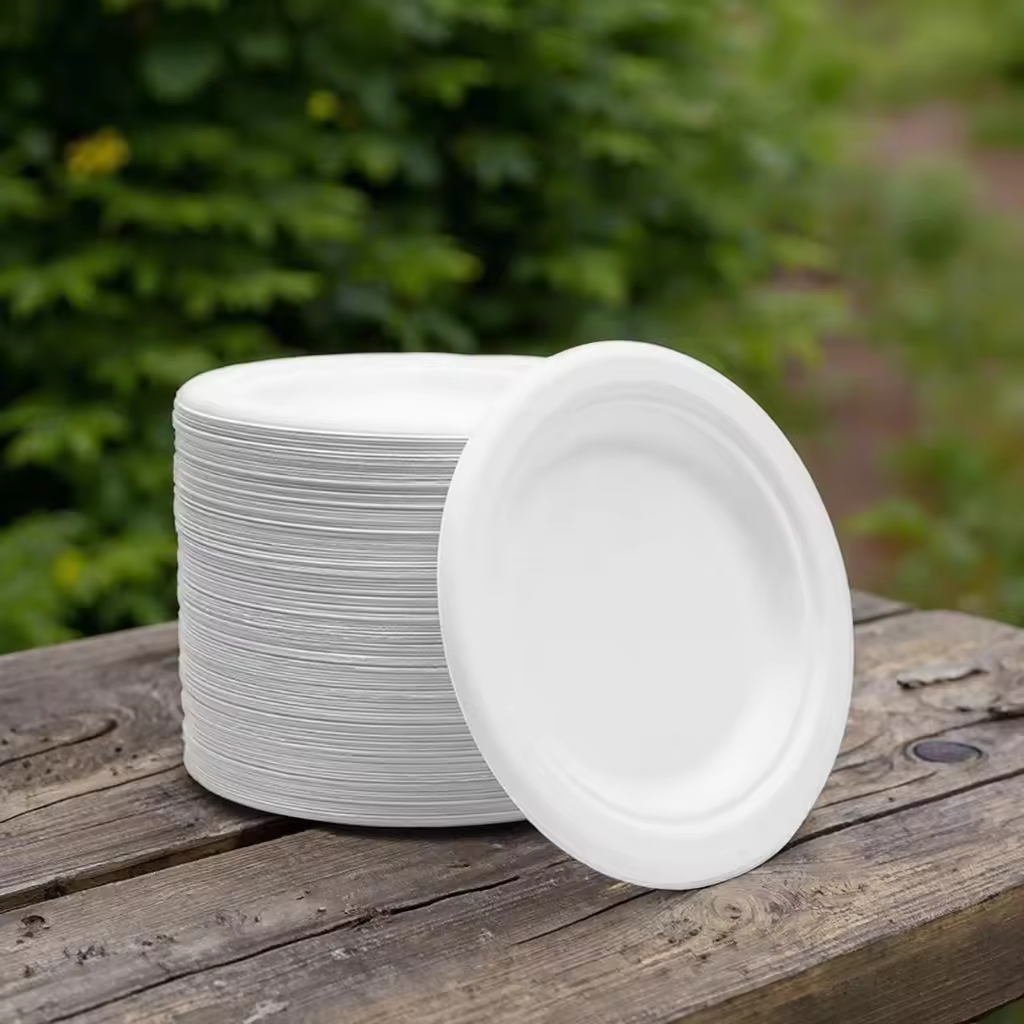
This article provides a professional vetting framework for international buyers to identify and qualify direct disposable tableware manufacturers in China. It shifts the focus from low-cost procurement to total sourcing value, offering actionable guidance on evaluating production capacity, material performance, and OEM tooling capabilities to ensure a stable, export-ready supply chain.
How Food Packaging Distributors Find a Reliable Disposable Tableware Manufacturer
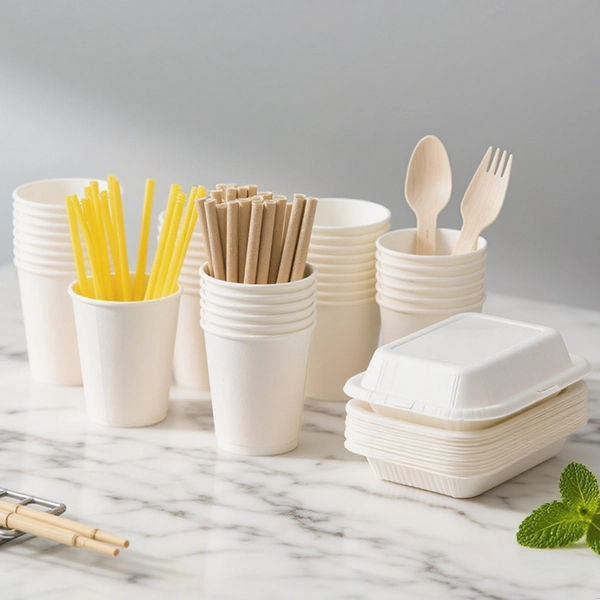
This guide provides a strategic framework for food packaging distributors to evaluate and partner with high-capacity disposable tableware manufacturers. It emphasizes moving beyond simple unit-price comparisons to focus on manufacturing scale, OEM customization capabilities, and total supply chain value, helping distributors build a resilient and profitable private-label packaging portfolio.
How Food Delivery Companies Choose the Right Takeaway Packaging Supplier
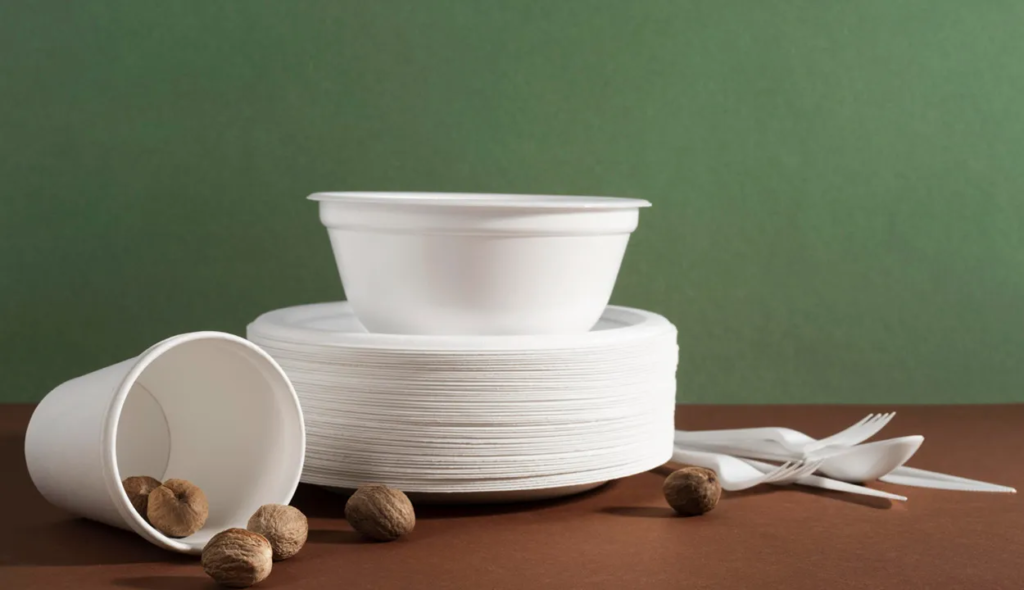
This guide provides a technical framework for procurement managers in the food delivery sector to vet packaging suppliers. It prioritizes performance-based selection criteria—specifically thermal stability and leak-proof engineering—over unit pricing, enabling operators to minimize transit-related refunds and optimize their supply chain for long-term scalability.
How Restaurant Chains Choose the Right Disposable Food Container Supplier

This article offers a strategic procurement framework for restaurant chains to evaluate disposable food container suppliers. It moves beyond unit pricing to focus on technical performance metrics, such as thermal stability and leak-proof engineering, while providing a clear decision matrix for ensuring supply chain stability and brand consistency in high-volume foodservice operations.
How to Find a Reliable Disposable Tableware Manufacturer for Wholesale Orders
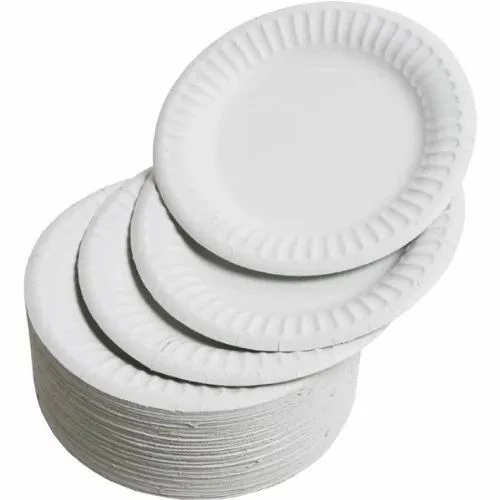
This guide provides a professional framework for B2B buyers to vet disposable tableware manufacturers. It focuses on critical decision-making factors including production capacity, material science, and commercial-grade performance, helping importers and distributors minimize supply chain risks and optimize total cost of ownership.
Do Disposable Catering Trays With Lids Prevent Food From Spilling?
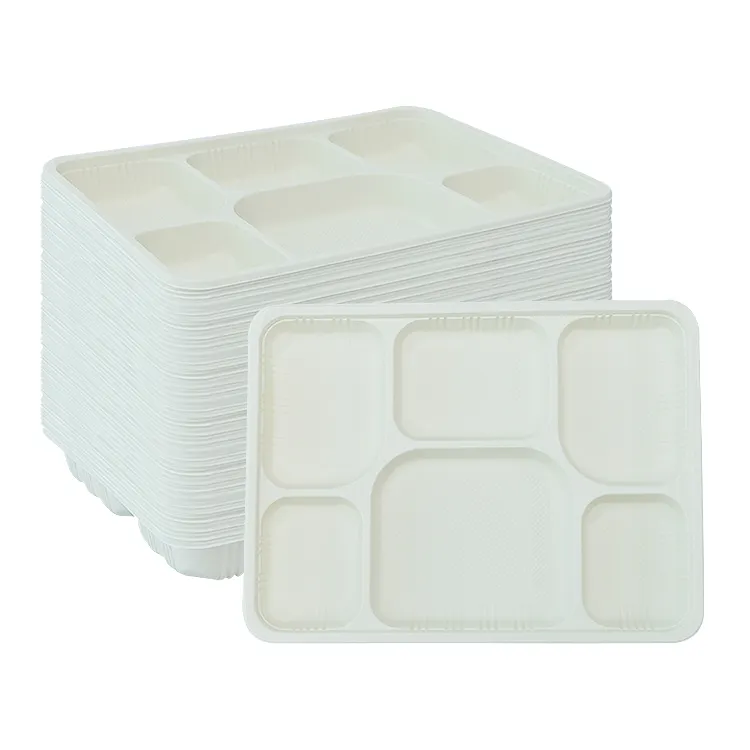
Simply having a lid does not guarantee a leak-proof container; true spill prevention depends on micrometer-perfect snap-on engineering and high material rigidity. For high-volume catering operations, transitioning to cornstarch-PPT composite packaging provides the exact stiffness needed to survive stacking pressure and delivery vibrations. This technical guide establishes how matching packaging physics to food viscosity directly eliminates delivery losses, protects restaurant margins, and fulfills global sustainability standards.
Are Cornstarch Trays Really More Environmentally Friendly Than Plastic Trays?
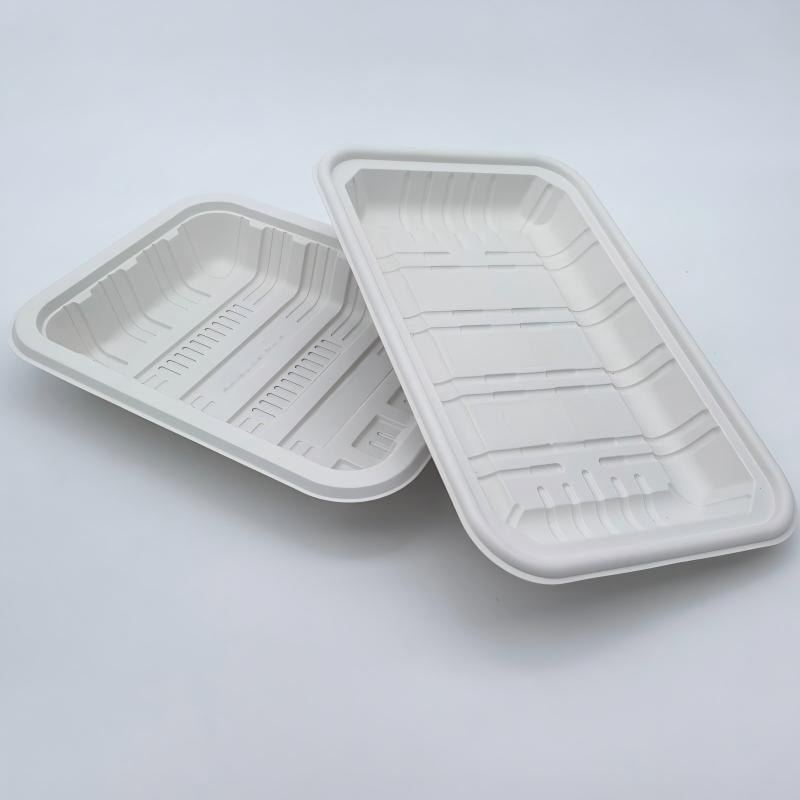
This technical evaluation provides a decision-making framework for procurement managers evaluating disposable food trays materials. It contrasts high-performance plant fibers—such as sugarcane bagasse and modified cornstarch composites—with traditional synthetic polymers to mitigate structural failure and regulatory risk. The article provides comparative performance data, detailing thermal stability ranges (-20°C to 120°C) and moisture-barrier efficacy to help buyers optimize supply chain resilience. By focusing on material engineering, compostability certifications, and custom mold-forming capabilities, this guide assists brands in achieving verifiable ESG packaging standards and operational efficiency in high-volume catering.
What Are the Most Durable Disposable Trays for Restaurants?

This technical analysis provides a decision-making framework for procurement managers evaluating disposable food trays materials. It contrasts high-performance plant fibers—such as sugarcane bagasse and modified cornstarch composites—with traditional synthetic polymers to mitigate structural failure and regulatory risk. The article features comparative performance data, detailing thermal stability ranges (-20°C to 120°C) and moisture-barrier efficacy to help buyers optimize supply chain resilience. By focusing on material engineering, compostability certifications (EN 13432/ASTM D6400), and custom mold-forming capabilities, this guide assists brands in achieving verifiable ESG packaging standards and operational efficiency in high-volume catering.
A Guide to PLA and Cornstarch Microwave Safety Standards for Restaurants
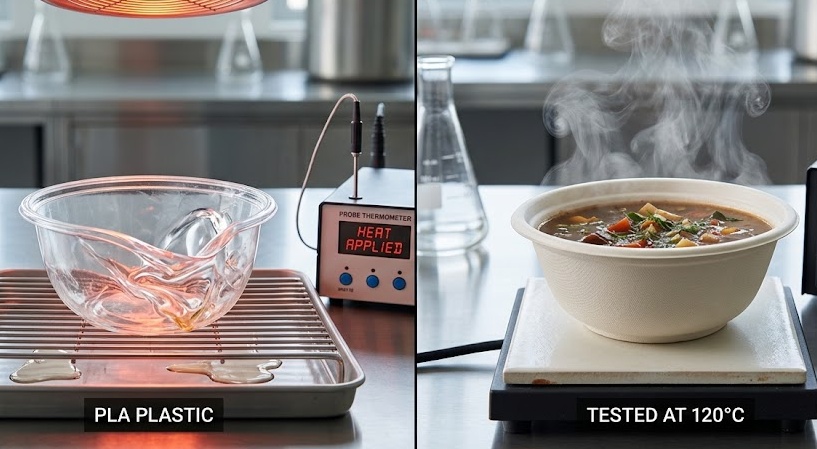
This technical guide addresses a common misconception in B2B procurement: the belief that all bioplastics are microwave-compatible. It highlights the critical failure point of pure PLA—which deforms at 60°C—and contrasts it with the high-performance engineering of microwave safe cornstarch soup bowls. Backed by manufacturing data from Hfenggreen, the article specifies the required 120°C (248°F) heat-resistance standard necessary for safe food reheating. Through a “Meal Prep” case study, the guide demonstrates how switching to food-grade cornstarch containers eliminates chemical migration odors and structural warping, leading to an 18% increase in customer retention. It serves as a vital resource for restaurants and cloud kitchens to ensure packaging integrity from delivery to the consumer’s microwave.