Introduction
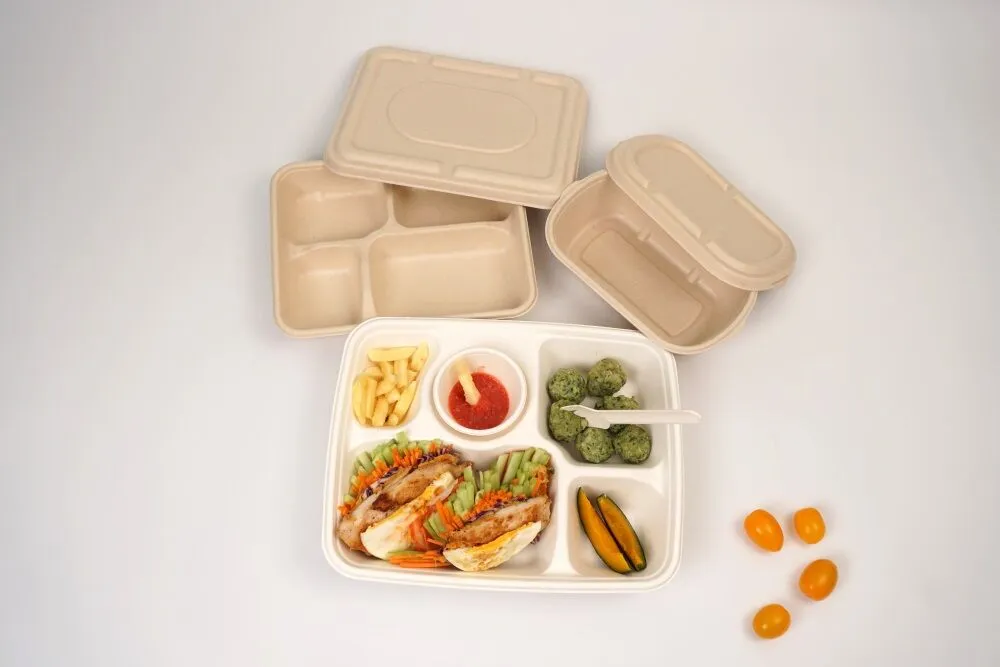
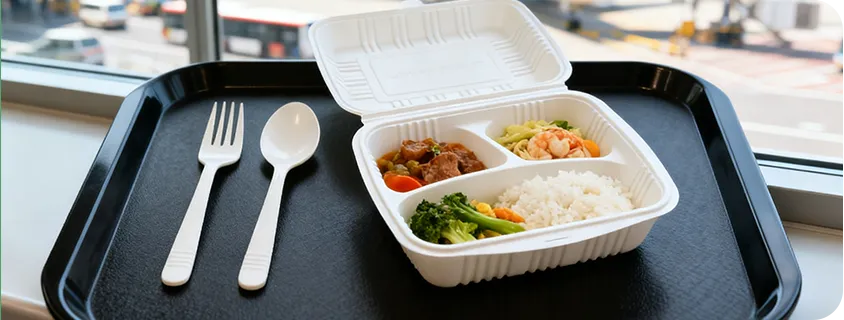
For modern restaurants and food delivery services, switching to sustainable packaging is no longer just a trend; it’s a critical business decision. Single-use plastic bowls are rapidly being phased out globally. By opting for commercial-grade eco-friendly bowls, food service businesses can meet strict ESG goals while appealing to eco-conscious consumers. Let’s explore the top materials for your bulk packaging needs.
Types of Eco-Friendly Bowls
High-Polymer Cornstarch Bowls (The Best for Commercial Takeout)
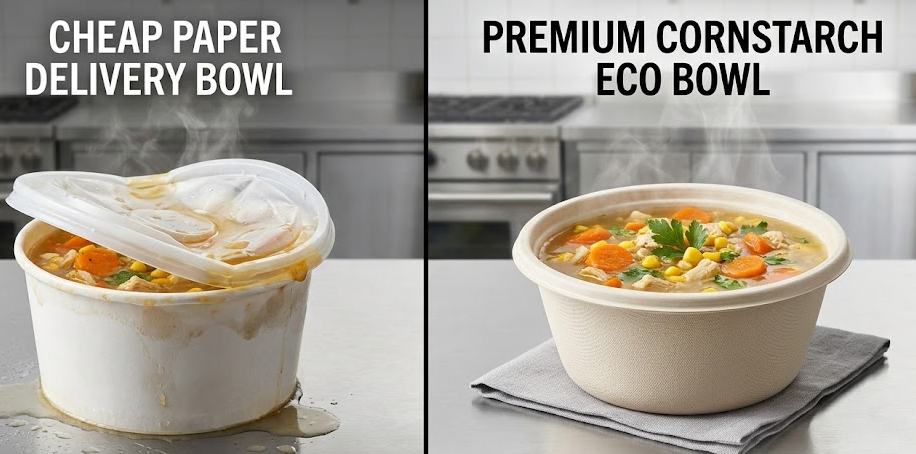
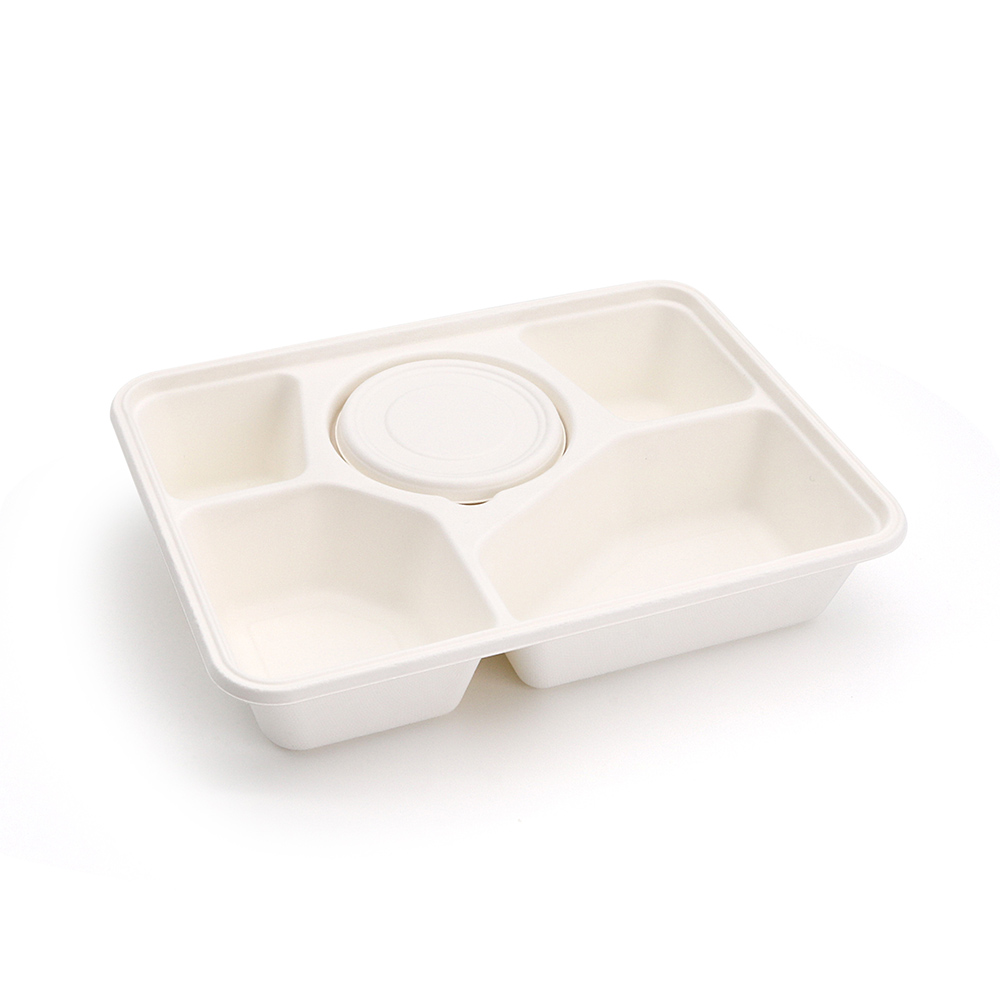
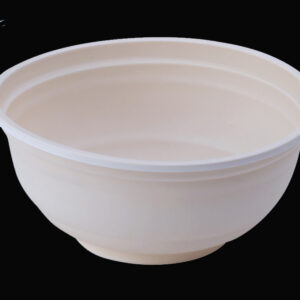
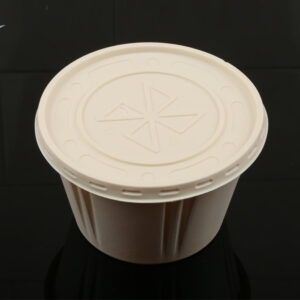
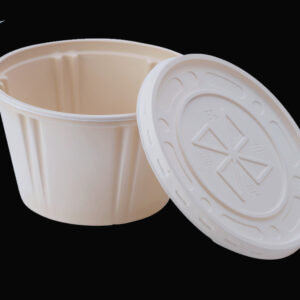
For high-volume restaurants, pure plant starch composite (a specialty of manufacturers like Hfenggreen) is the ultimate solution. Unlike other materials, commercial cornstarch bowls are engineered for extreme temperature tolerance (-5℃ to 125℃), making them strictly microwave and freezer safe. They offer a 100% leak-proof seal for hot soups and heavy sauces, solving the “soggy lid” problem in food delivery, and will fully biodegrade within 180 days in industrial facilities.
Compostable Bowls
Compostable bowls are a fantastic option for minimizing one’s environmental footprint. They are made from plant-based materials such as sugarcane bagasse, palm leaves, or wheat straw.
- Material and Biodegradability: Sugarcane bagasse, for instance, is a byproduct of sugar production, making it an excellent way to repurpose waste. These materials are biodegradable and compostable, which breaks down naturally into nutrient-rich soil, reducing landfill waste. However, for long-distance hot liquid delivery, bagasse is prone to absorbing moisture and becoming soft, which can impact food taste and structural integrity.
- Durability and Safety: Despite being eco-friendly, these bowls do not compromise on quality. They are sturdy, capable of holding hot and cold foods, and are often microwave-safe. Moreover, they are free from toxins and chemicals, ensuring your food remains uncontaminated.
Coconut Bowls
Coconut bowls are another superb choice for those aiming to reduce waste. These bowls are handcrafted from discarded coconut shells, which would otherwise be burned or thrown away.
- Environmental Impact: Using coconut shells, these bowls help reduce waste and lower carbon emissions associated with burning the shells. This practice transforms waste into beautiful, functional kitchenware.
- Durability and Aesthetics: Coconut bowls are known for their durability and can last years with proper care. They bring a natural aesthetic appeal to your table, each unique in texture and appearance. Furthermore, purchasing these bowls often supports artisans and local communities, fostering sustainable economic practices. While aesthetically pleasing for dine-in or retail, they are too expensive and impractical for high-volume takeout wholesale.
Bamboo Bowls
Bamboo bowls are crafted from one of the planet’s most renewable resources. Growing rapidly, bamboo often thrives without the need for pesticides or fertilizers. This characteristic makes it an environmentally friendly material.
- Material Benefits: Bamboo bowls are lightweight yet sturdy, making them ideal for everyday use. They are also dishwasher-safe, adding to their convenience.
- Sourcing and Availability: These bowls can be found through independent sellers and platforms like Etsy, supporting small businesses and sustainable practices.
Factors to Consider
Several factors should be considered when choosing eco-friendly bowls to ensure they meet your needs and preferences.
Size and Capacity
The size and capacity of the bowl should be chosen based on its intended use. For example:
- Cereal Bowls: Smaller, deeper bowls work well for cereals and snacks.
- Soup Bowls: Larger bowls with enough capacity for liquid and ingredients.
- Salad Bowls: Wide, shallow bowls are ideal for salads.
Aesthetic Appeal and Design Options
Eco-friendly bowls come in a variety of designs and finishes. Consider bowls that complement your kitchen decor and personal style. The natural look of materials like coconut and bamboo can add a rustic charm. At the same time, compostable bowls often come in sleek, modern designs.
Certifications for Compostability or Sustainability
Look for certifications that guarantee the bowls’ eco-friendliness. Certifications such as BPI (Biodegradable Products Institute) for compostability or FSC (Forest Stewardship Council) for sustainable sourcing ensure that the products meet high environmental standards.
Cost and Availability
The cost of eco-friendly bowls can vary significantly. While they might be more expensive upfront than plastic alternatives, their durability and environmental benefits make them a worthwhile investment. Additionally, consider the availability of these bowls in your region to ensure easy procurement.
Using and Disposing of Eco-Friendly Bowls
Proper Disposal and Composting Methods
Proper disposal of eco-friendly bowls is crucial to maximizing the environmental benefits. Compostable bowls should be disposed of in compost bins where they can break down into nutrient-rich soil. If you have a home compost system, ensure the right conditions for composting these materials.
Cleaning and Care Instructions
Each type of eco-friendly bowl has its own cleaning and care instructions:
- Compostable Bowls: Typically single-use but can be composted after use.
- Coconut Bowls: Hand wash with lukewarm water and mild soap, and avoid using in the microwave or dishwasher.
- Bamboo Bowls: Usually dishwasher-safe, but hand washing can prolong their lifespan.
Reusing or Repurposing
Whenever possible, reuse or repurpose your eco-friendly bowls. Coconut and bamboo bowls, in particular, can be used for various purposes beyond dining, such as holding small household items or as decorative pieces.
Conclusion
Switching to eco-friendly bowls is a simple yet effective way to contribute to sustainable living. These bowls offer numerous benefits, from reducing plastic waste to supporting local communities. By choosing compostable, coconut, or bamboo bowls, you are consciously trying to protect our planet. We encourage you to switch and experience the joy of using beautiful, environmentally-friendly tableware.
Ready to source the best eco-friendly bowls for your food business? Partner with a 20-year direct manufacturer. Hfenggreen offers FDA-compliant, leak-proof cornstarch bowls with flexible OEM customization and low MOQ (starts at 100 boxes).