
How Can I Choose a Heavy-Duty Disposable Tray?
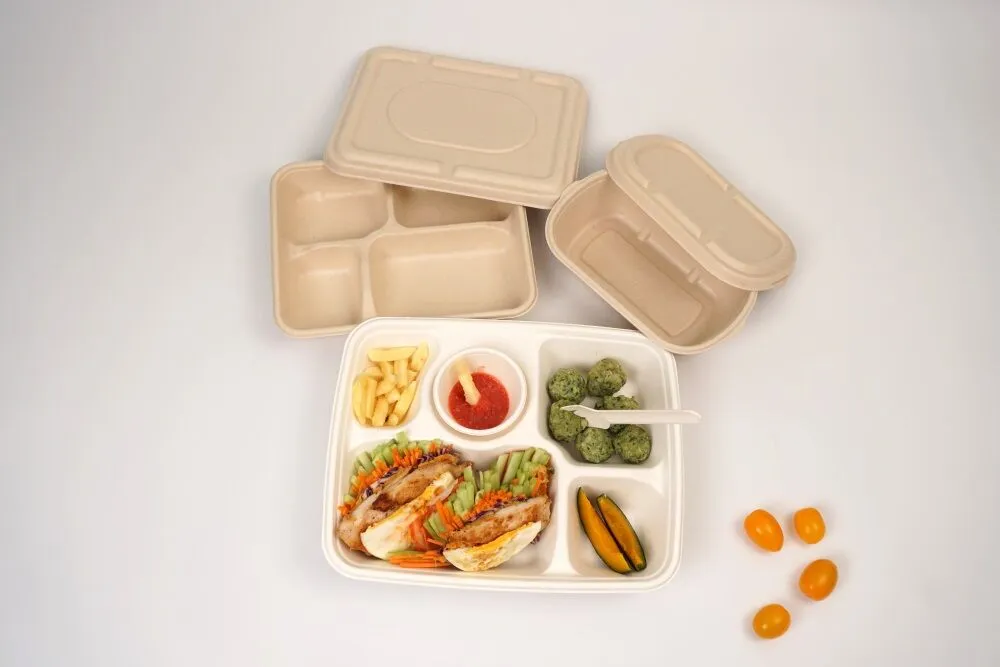
Material thickness alone does not guarantee a heavy-duty performance rating; true durability depends on structural geometry such as reinforced rims, molded ribbing channels, and high fiber density. For commercial catering and high-volume delivery operations, transitioning to engineered cornstarch composites or high-density molded fiber ensures containers maintain absolute structural rigidity under vertical stacking loads and thermal stress up to 125°C. This analysis provides procurement managers and product designers with exact physical testing protocols and material benchmarks to eliminate transit collapse, protect food presentation, and optimize packaging ROI.
How Do Cornstarch Bowls Solve the “Soggy Lid” Problem in Long-Distance Delivery?
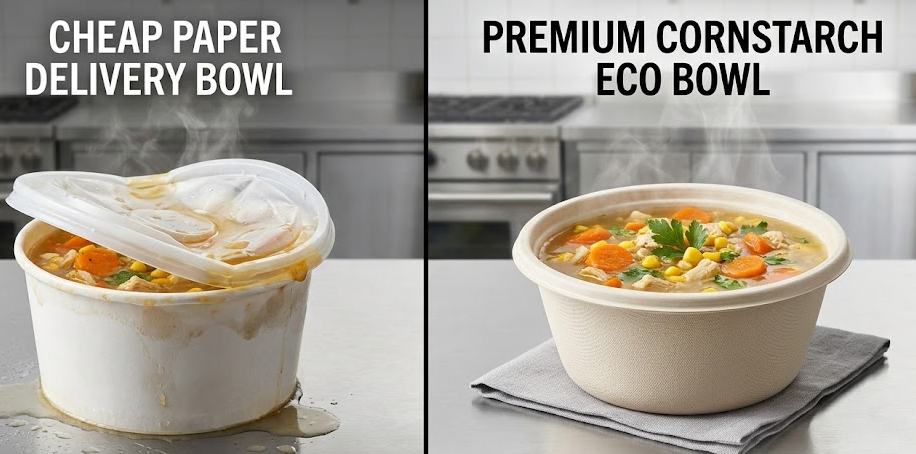
This article explores how high-polymer cornstarch bowls solve the “soggy lid” and leakage issues prevalent in long-distance hot food delivery. By utilizing a unique composite material made of a blend of 60% cornstarch and plastic , these containers offer superior thermal stability, safely operating in temperatures ranging from -5℃ to 125℃. They prevent the moisture absorption and thermal expansion that cause traditional paper and sugarcane lids to fail. The piece highlights a real-world scenario where upgrading to these leak-proof, precision-fit cornstarch bowls eradicated refund losses and increased packaging ratings, ultimately driving higher net profitability for restaurant operators.
What Materials Are Available for Disposable Food Trays?
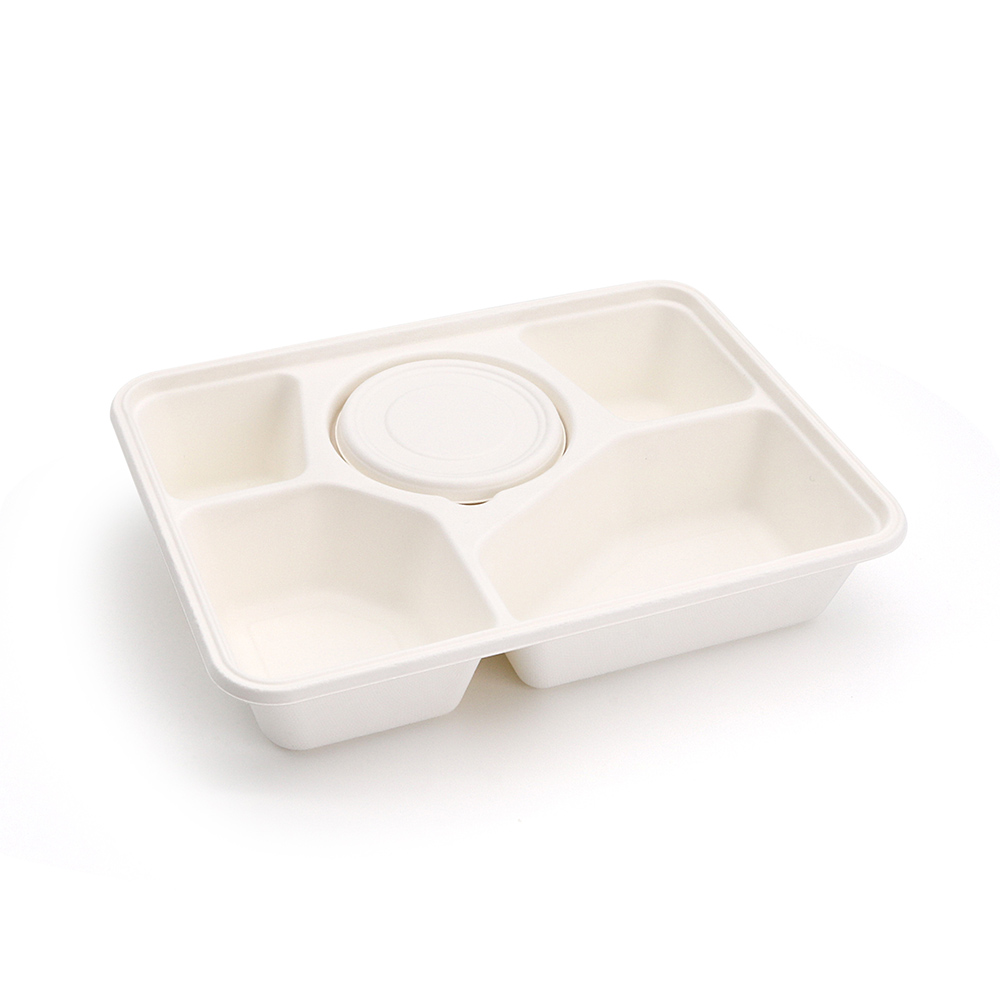
This technical evaluation analyzes commercial disposable food trays materials, contrasting traditional petroleum polymers with advanced plant-based alternatives to assist procurement managers in optimizing supply chain compliance and structural reliability. It provides objective, comparative data on key material substrates—including sugarcane bagasse, pure PLA bioplastics, and modified cornstarch composites—evaluating their physical performance across specific thermal ranges (-20°C to 120°C) and moisture-barrier conditions. By outlining standard testing protocols (such as thermal stress deflection) and verification pathways for international composting benchmarks (ASTM D6400/EN 13432), this analysis delivers an empirical framework for product designers and buyers to eliminate transit leakage, minimize regulatory single-use plastic liabilities, and execute verifiable corporate ESG packaging upgrades.
What Is the Production Process for Disposable Lunch Boxes?
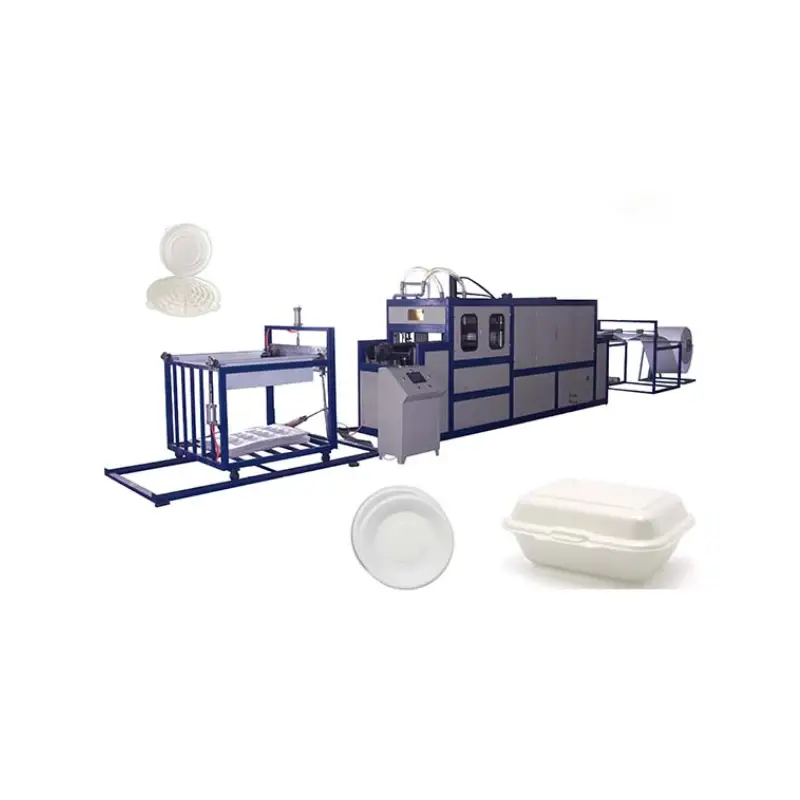
This article explains the complete disposable lunch box production process, detailing how cornstarch-based materials are prepared, mixed, molded, and inspected to create durable, eco-friendly food containers suitable for large-scale wholesale supply.
What materials are the healthiest disposable lunch boxes made of?

This technical analysis explores why plant-based biodegradable composites, particularly those with a high starch content (40–80%), are the healthiest options for modern food packaging. It examines the engineering shift from petroleum-based plastics to renewable cornstarch materials that are non-toxic, odorless, and safe for direct food contact. The guide provides objective data on thermal stability, noting that these materials maintain food safety standards across a temperature range of -5°C to 125°C. Furthermore, it outlines the manufacturing requirements for sterile, pollution-free production to prevent contamination. The article concludes with a strategic procurement checklist to help buyers verify biodegradability timelines (approximately 180 days) and international quality certifications like ISO9001 before placing bulk orders.
Which manufacturers of disposable lunch boxes are recommended?
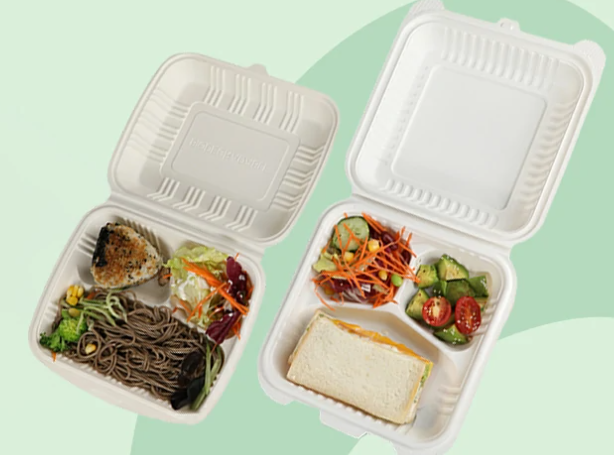
This in-depth analysis provides a professional guide for B2B procurement managers seeking reliable takeaway container suppliers. It highlights the critical importance of evaluating a manufacturer’s technical expertise, such as the ability to formulate biodegradable food containers using a 60% cornstarch and plastic composite. The article examines operational benchmarks, including a 350-ton monthly production capacity and compliance with international safety standards like ISO9001 and U.S. quality certifications. Finally, it offers a strategic 5-point checklist for buyers to verify material performance through heat resistance tests (operating from -5°C to 125°C) and global export capabilities before committing to eco friendly lunch box wholesale orders.
How Schools and Institutions Choose Safe Disposable Lunch Boxes for Daily Meals
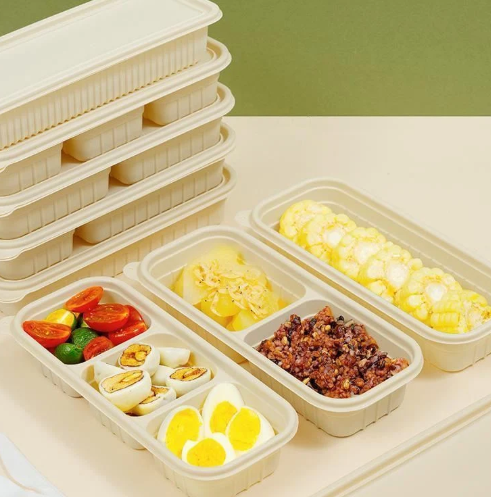
This procurement guide equips institutional buyers and catering contractors with a strategic framework to evaluate food packaging safety, capacity, and structural integrity. By prioritizing non-toxic, multi-compartment compostable solutions and verifying factory-direct manufacturing capacity, institutions can eliminate chemical leaching risks and secure a stable, ESG-compliant daily meal supply.
Sustainable Food Packaging Solutions: A Guide for Hotels and Hospitality
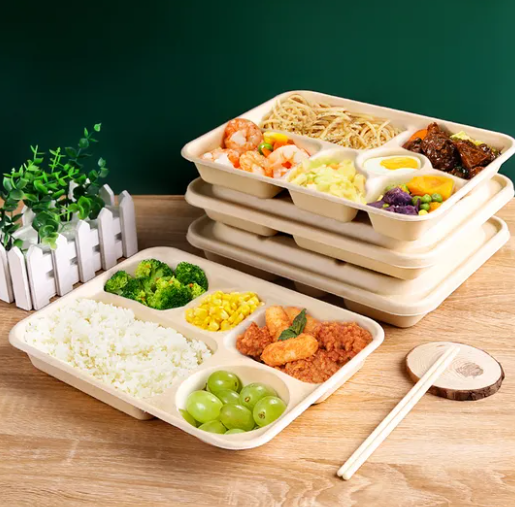
This guide provides a strategic decision-making framework for hospitality procurement managers transitioning from single-use plastics to high-performance biodegradable alternatives. By evaluating commercial-grade thermal stability, mapping container designs to specific hotel services (e.g., room service, banquets), and securing OEM customization, hotel groups can confidently achieve their ESG mandates without risking food safety or brand prestige.
How Restaurants Can Choose the Right Biodegradable Lunch Boxes for Takeaway Services
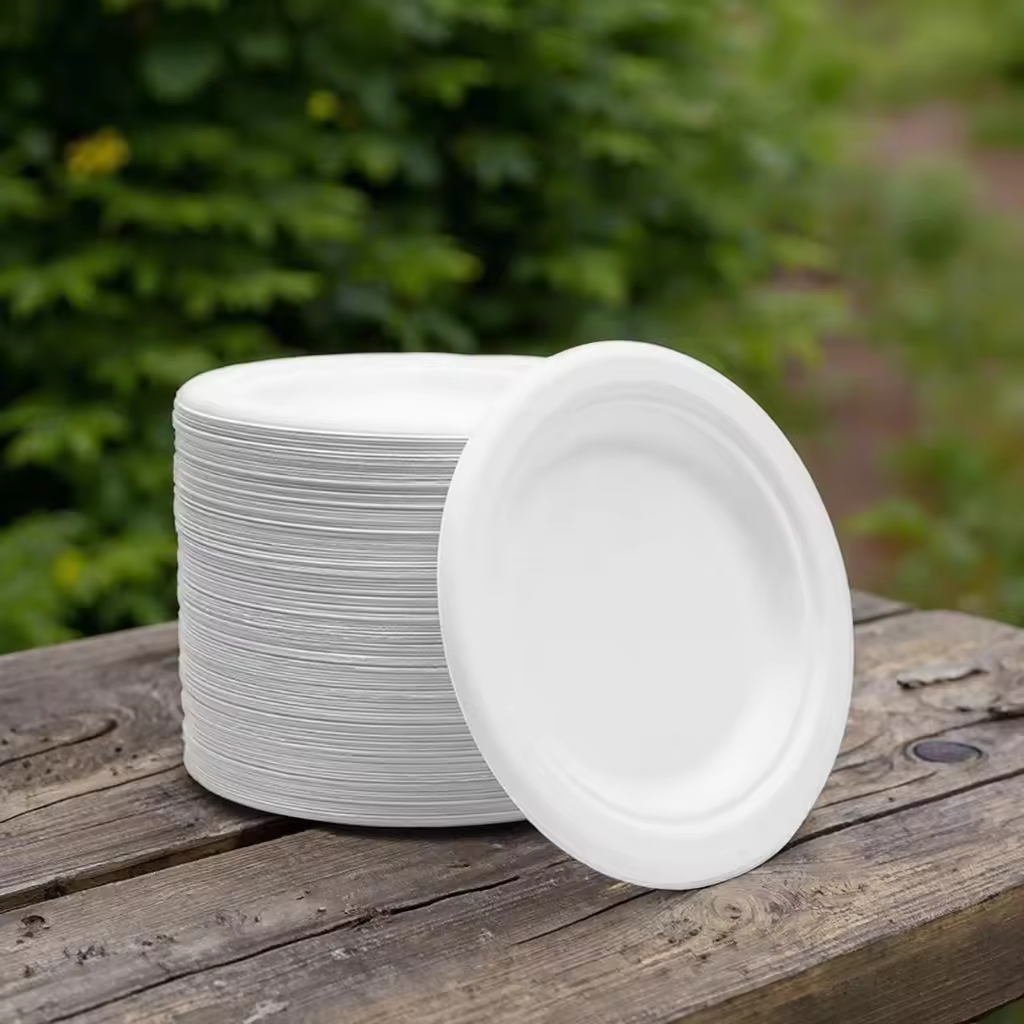
This guide provides restaurant owners and procurement managers with a strategic decision-making framework for selecting high-performance takeaway packaging. By evaluating corn starch material limits, matching volumetric capacities to menus, and prioritizing leak-proof engineering, food service businesses can confidently upgrade their packaging to eliminate delivery failures and optimize their factory-direct supply chain.
Corn Starch vs Plastic Lunch Boxes: Which Packaging Solution Is Better for Businesses?
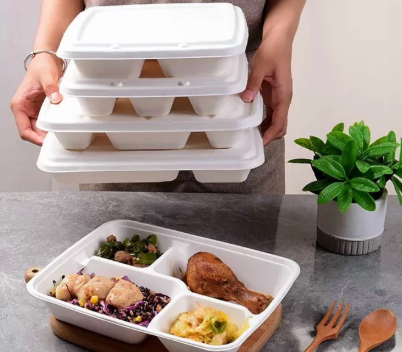
This comparative analysis provides a strategic decision-making framework for food service operators evaluating packaging materials. By weighing thermal performance, structural integrity, and environmental compliance, the guide demonstrates how upgrading to high-performance biodegradable solutions mitigates regulatory risks and reduces the hidden costs of delivery failures.