
Which disposable lunch boxes are more environmentally friendly?
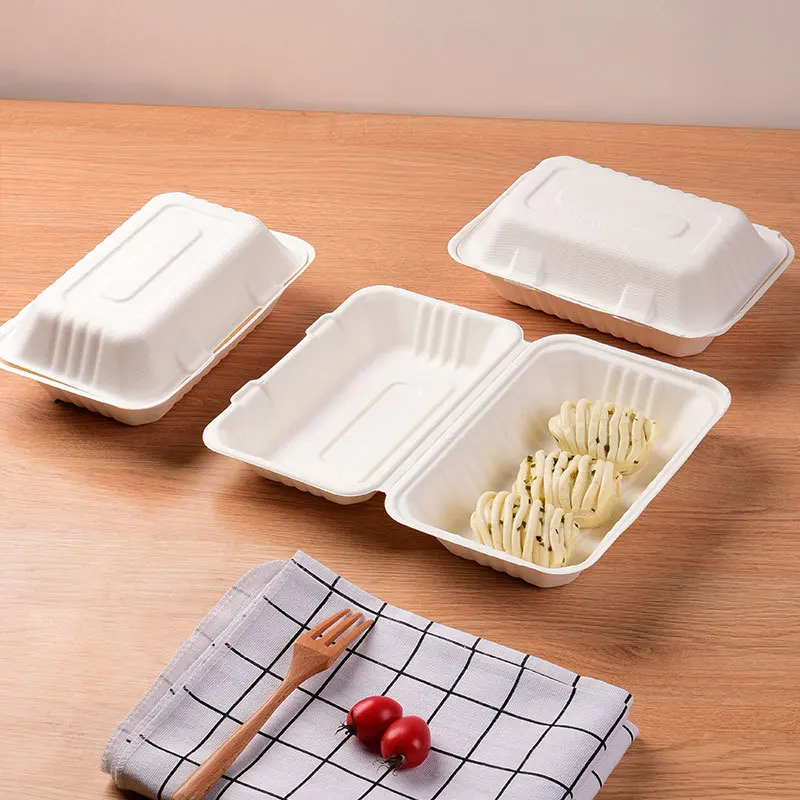
Relying on petroleum plastic packaging creates massive landfill liabilities and brand reputation damage. Ignoring these environmental costs leads to regulatory fines. Eco-friendly disposable lunch boxes made from renewable cornstarch, bagasse, and PLA offer the most sustainable solution, degrading naturally within months into harmless carbon dioxide and water. As a Chief Manufacturing Engineer at Dongguan Hengfeng […]
What Plastic Is Used in Disposable Lunch Boxes?
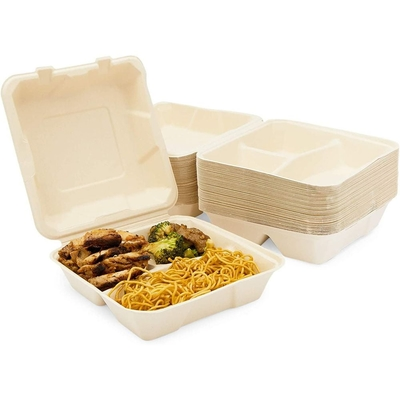
This technical analysis evaluates the primary types of plastic used in disposable lunch boxes, ranging from traditional petroleum-based polymers to advanced plant-based composites. It identifies Polypropylene (PP) and Polystyrene (PS) as industry standards due to their low cost and molding performance, while highlighting the shift toward cornstarch-based biodegradable materials to reduce environmental impact. The article examines the material science behind composite formulations—specifically those blending 60% cornstarch with PPT plastics—to achieve waterproof, oil-proof, and high-temperature stability between -5°C and 125°C. Furthermore, it provides data on how small amounts of PLA or PP blends improve the structural strength of eco-friendly containers, ensuring they remain microwave-safe and durable in large formats like 1200 ml and 2000 ml. The guide concludes with a comparison of degradation timelines, noting that biodegradable alternatives break down in approximately 180 days.
What Is the Production Process for Disposable Lunch Boxes?
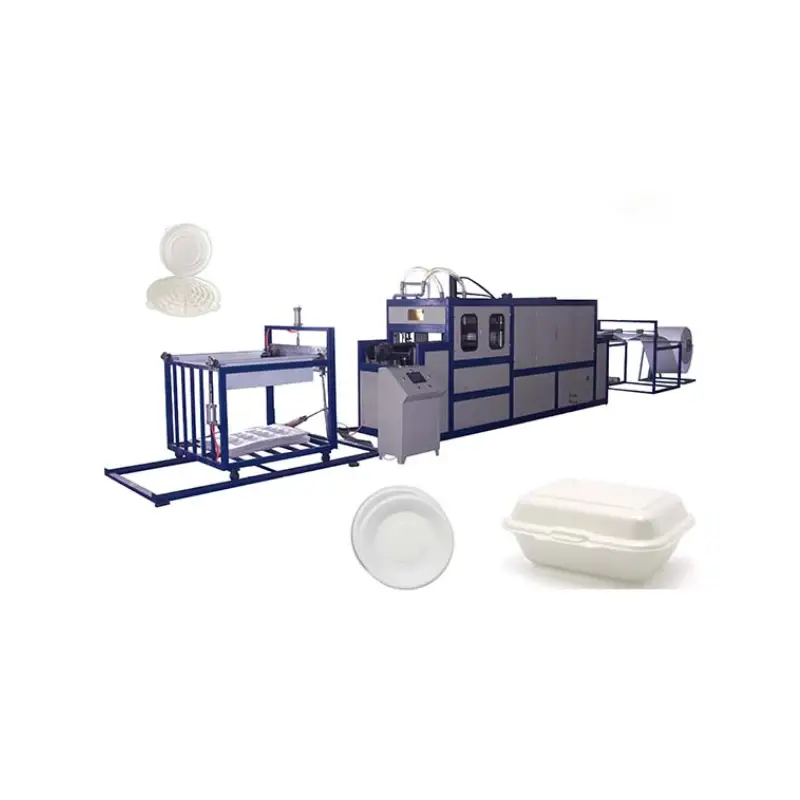
This article explains the complete disposable lunch box production process, detailing how cornstarch-based materials are prepared, mixed, molded, and inspected to create durable, eco-friendly food containers suitable for large-scale wholesale supply.
What materials are the healthiest disposable lunch boxes made of?

This technical analysis explores why plant-based biodegradable composites, particularly those with a high starch content (40–80%), are the healthiest options for modern food packaging. It examines the engineering shift from petroleum-based plastics to renewable cornstarch materials that are non-toxic, odorless, and safe for direct food contact. The guide provides objective data on thermal stability, noting that these materials maintain food safety standards across a temperature range of -5°C to 125°C. Furthermore, it outlines the manufacturing requirements for sterile, pollution-free production to prevent contamination. The article concludes with a strategic procurement checklist to help buyers verify biodegradability timelines (approximately 180 days) and international quality certifications like ISO9001 before placing bulk orders.
Which manufacturers of disposable lunch boxes are recommended?
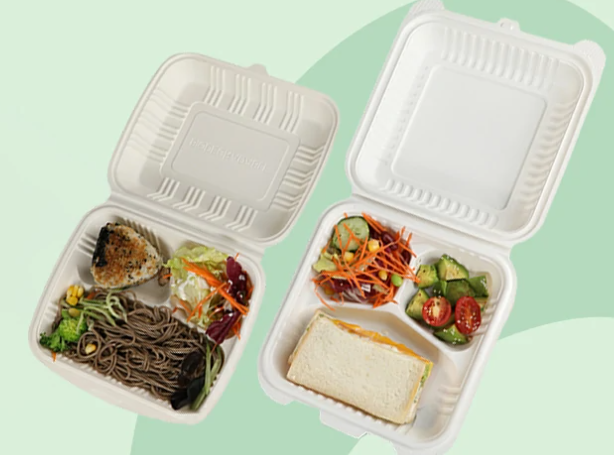
This in-depth analysis provides a professional guide for B2B procurement managers seeking reliable takeaway container suppliers. It highlights the critical importance of evaluating a manufacturer’s technical expertise, such as the ability to formulate biodegradable food containers using a 60% cornstarch and plastic composite. The article examines operational benchmarks, including a 350-ton monthly production capacity and compliance with international safety standards like ISO9001 and U.S. quality certifications. Finally, it offers a strategic 5-point checklist for buyers to verify material performance through heat resistance tests (operating from -5°C to 125°C) and global export capabilities before committing to eco friendly lunch box wholesale orders.
Disposable Cups: A Practical Solution for Wedding Celebrations
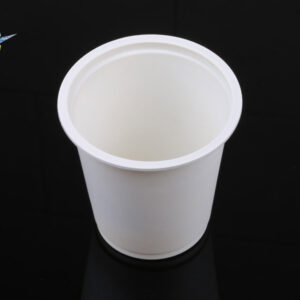
Disposable cups have become increasingly popular for weddings and other large events due to their convenience and cost-effectiveness. This article will explore the use of disposable cups at weddings, their materials, and important considerations for couples planning their big day. How Many Disposable Cups Are Used for Weddings? The number of disposable cups needed for […]
The Rise of Eco-Friendly Disposable Lunch Boxes: A Sustainable Solution for On-the-Go Meals

Introduction In recent years, there has been a significant increase in the demand for disposable lunch boxes, driven by the fast-paced nature of modern life. However, this convenience comes with a cost to the environment, as traditional disposable lunch boxes made from plastic and foam contribute significantly to pollution and waste. This growing awareness has […]
Top Eco-Friendly Bowls for Sustainable Living

Introduction In today’s world, sustainable living has become more than just a trend; it is necessary. One of the simplest ways to contribute to this global effort is by reducing our dependence on plastic. Plastic waste is one of the most pressing environmental issues, with single-use items like bowls contributing significantly to the problem. By opting for […]
The Materials and Environmental Benefits of Compostable Forks
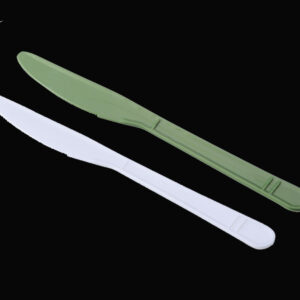
Introduction Disposable plastic products pose significant environmental hazards, contributing to pollution and long-lasting waste in our ecosystems. In response to these challenges, compostable utensils, including forks, have emerged as eco-friendly alternatives that mitigate the adverse effects of traditional plastics. Compostable forks are designed to decompose naturally, offering a sustainable solution that aligns with the principles […]
Let’s Take Stock of Common Environmentally Friendly Tableware Materials
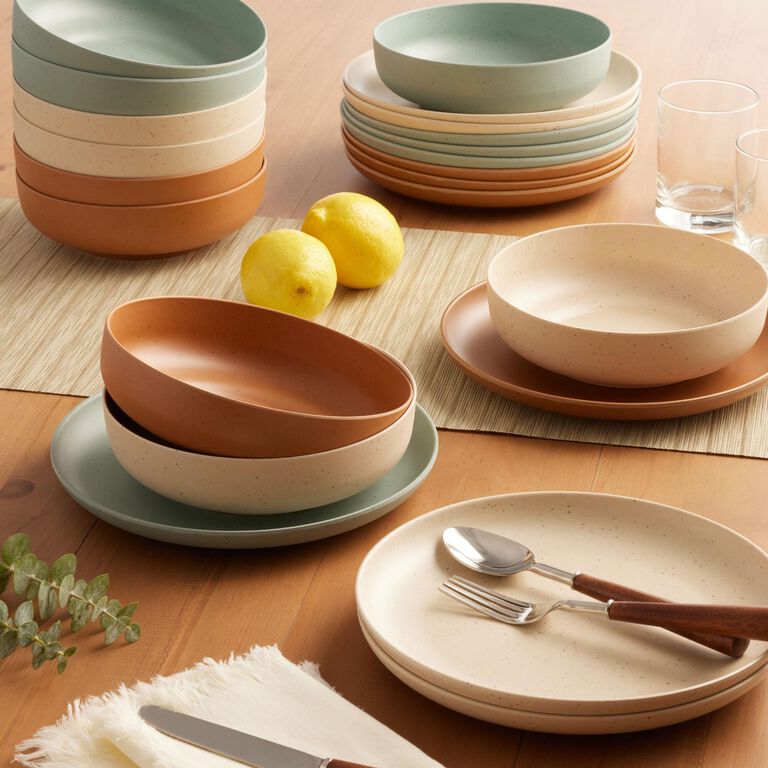
When selecting environmentally friendly tableware, it’s essential to consider the materials used in their production. By understanding the characteristics and properties of each material, consumers can make informed choices that align with their sustainability goals. Let’s delve into some common materials used in environmentally friendly tableware: Cornstarch (Polylactic Acid – PLA) Tableware Cornstarch, or polylactic […]