Dongguan Hengfeng High-Tech Development Co., Ltd.

Blog

We are always concerned about environmental protection

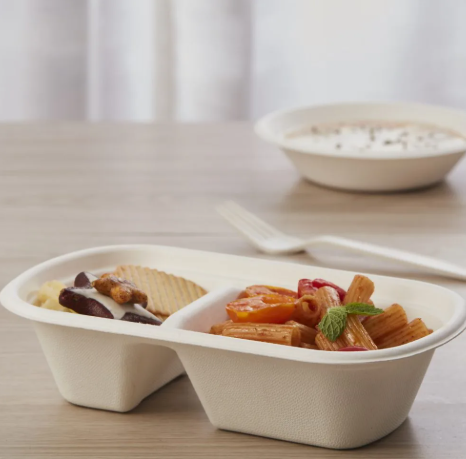
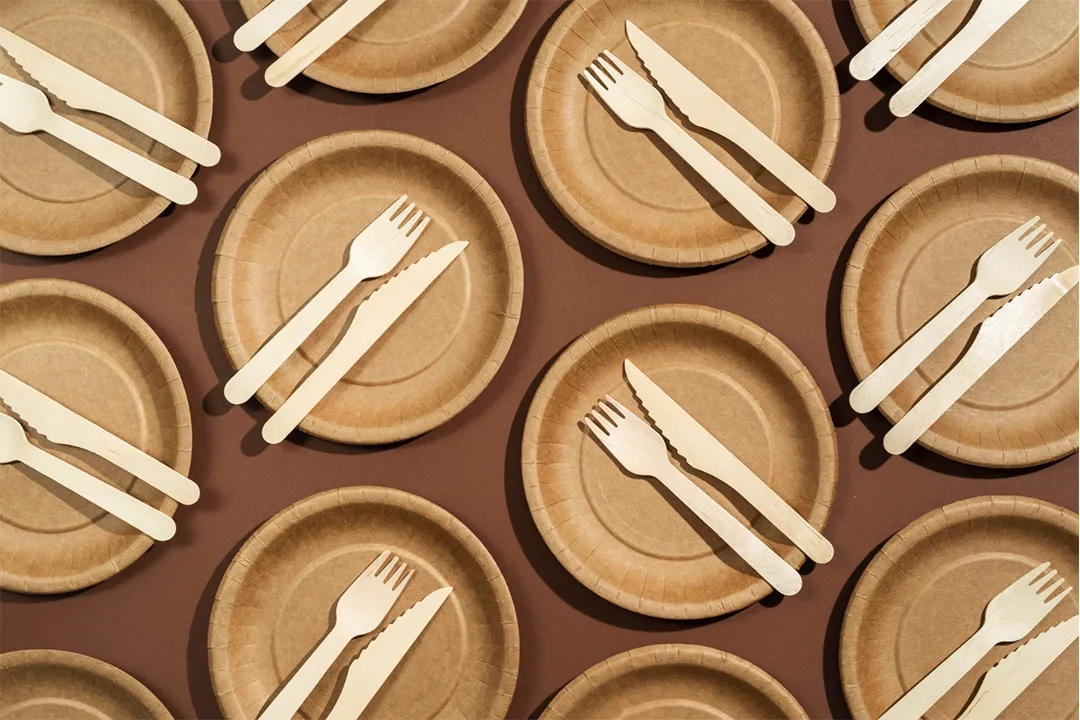
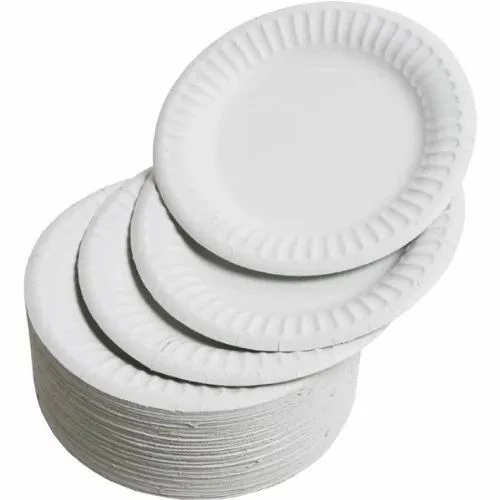
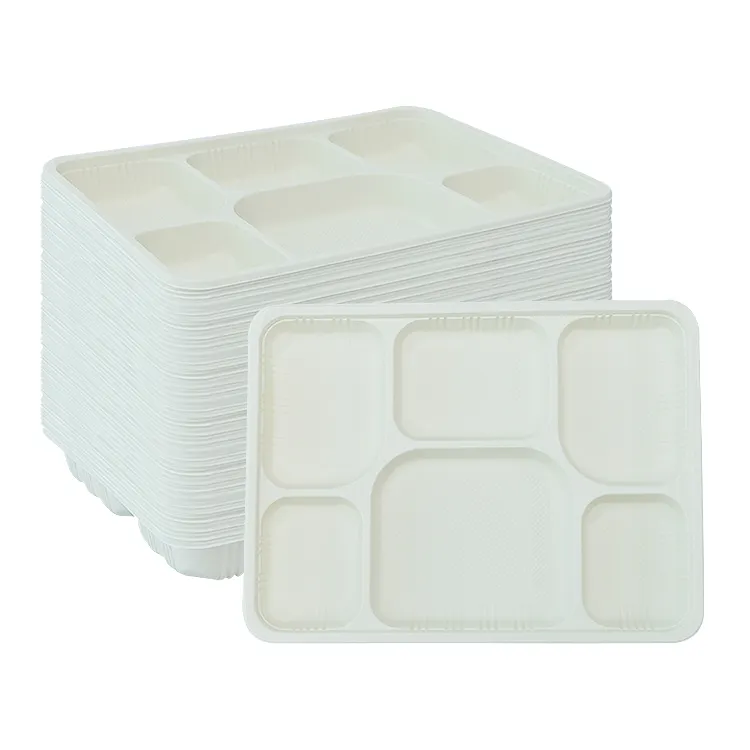
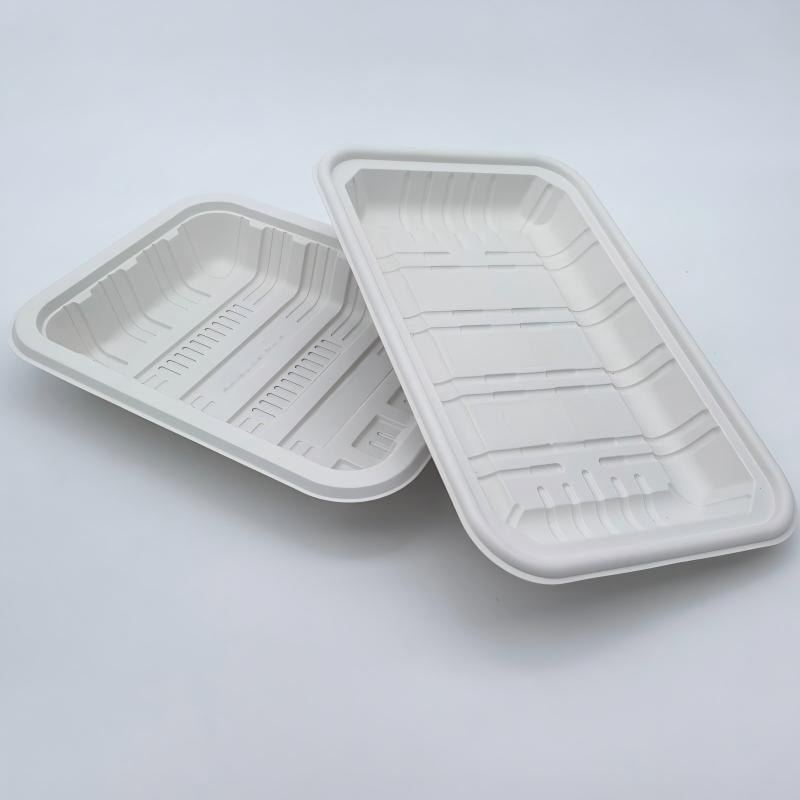
disposable food trays

This technical evaluation analyzes commercial disposable food trays materials, contrasting traditional petroleum polymers with advanced plant-based alternatives to assist procurement managers in optimizing supply chain compliance and structural reliability. It provides objective, comparative data on key material substrates—including sugarcane bagasse, pure PLA bioplastics, and modified cornstarch composites—evaluating their physical performance across specific thermal ranges (-20°C to 120°C) and moisture-barrier conditions. By outlining standard testing protocols (such as thermal stress deflection) and verification pathways for international composting benchmarks (ASTM D6400/EN 13432), this analysis delivers an empirical framework for product designers and buyers to eliminate transit leakage, minimize regulatory single-use plastic liabilities, and execute verifiable corporate ESG packaging upgrades.

PLA and Cornstarch Microwave Safety Standards

This technical guide addresses a common misconception in B2B procurement: the belief that all bioplastics are microwave-compatible. It highlights the critical failure point of pure PLA—which deforms at 60°C—and contrasts it with the high-performance engineering of microwave safe cornstarch soup bowls. Backed by manufacturing data from Hfenggreen, the article specifies the required 120°C (248°F) heat-resistance standard necessary for safe food reheating. Through a "Meal Prep" case study, the guide demonstrates how switching to food-grade cornstarch containers eliminates chemical migration odors and structural warping, leading to an 18% increase in customer retention. It serves as a vital resource for restaurants and cloud kitchens to ensure packaging integrity from delivery to the consumer's microwave.

Soggy Lid

This article explores how high-polymer cornstarch bowls solve the "soggy lid" and leakage issues prevalent in long-distance hot food delivery. By utilizing a unique composite material made of a blend of 60% cornstarch and plastic , these containers offer superior thermal stability, safely operating in temperatures ranging from -5℃ to 125℃. They prevent the moisture absorption and thermal expansion that cause traditional paper and sugarcane lids to fail. The piece highlights a real-world scenario where upgrading to these leak-proof, precision-fit cornstarch bowls eradicated refund losses and increased packaging ratings, ultimately driving higher net profitability for restaurant operators.

Cost-Benefit Analysis of Switching to Cornstarch Soup

This article provides a comprehensive B2B cost-benefit analysis of transitioning from traditional plastic to biodegradable cornstarch soup containers. It exposes the hidden financial drains of cheap plastics—such as delivery leaks and operational slowdowns—and contrasts them with the high-performance metrics of cornstarch composites. By detailing technical advantages like a standard operating temperature of -5℃ to 125℃ and a degradation period of approximately 180 days, the article demonstrates how sustainable packaging reduces supply chain losses, ensures regulatory compliance, and justifies premium menu pricing.

Complete Guide to Biodegradable Cornstarch Soup Bowls: Sustainability Meets Performance

This professional guide analyzes the engineering and logistical advantages of biodegradable cornstarch soup bowls wholesale for high-volume food service. It addresses the critical "last three miles" delivery pain point by contrasting the superior moisture barrier of Plant Starch Material (PSM) against the capillary-leak risks of traditional bio-fibers like bagasse. The article provides hard manufacturing data, including a 350-ton monthly capacity and a temperature tolerance range of -20°C to 120°C, ensuring microwave and freezer safety. Featuring a cloud kitchen case study that eliminated a 6% leakage rate, the guide offers procurement managers a strategic framework for selecting durable, compostable soup containers that satisfy both structural performance requirements and global ESG environmental audits.

Cornstarch vs. Bagasse

Delivering boiling hot broth in substandard packaging leads to structural failure, severe leaks, and ruined brand reputation. When sourcing eco-friendly soup packaging …

Eco-friendly disposable lunch boxes

Transitioning to eco-friendly disposable lunch boxes is an essential operational strategy for mitigating environmental pollution and meeting global sustainability standards. By utilizing renewable resources like high-starch corn composites, sugarcane bagasse, bamboo fiber, and PLA bioplastics, the catering industry can eliminate its reliance on petroleum plastics. These advanced materials provide exceptional commercial performance—from microwave safety to structural rigidity—while ensuring that post-consumer waste breaks down rapidly and naturally.

Disposable Lunch Boxes

This technical analysis evaluates the primary types of plastic used in disposable lunch boxes, ranging from traditional petroleum-based polymers to advanced plant-based composites. It identifies Polypropylene (PP) and Polystyrene (PS) as industry standards due to their low cost and molding performance, while highlighting the shift toward cornstarch-based biodegradable materials to reduce environmental impact. The article examines the material science behind composite formulations—specifically those blending 60% cornstarch with PPT plastics—to achieve waterproof, oil-proof, and high-temperature stability between -5°C and 125°C. Furthermore, it provides data on how small amounts of PLA or PP blends improve the structural strength of eco-friendly containers, ensuring they remain microwave-safe and durable in large formats like 1200 ml and 2000 ml. The guide concludes with a comparison of degradation timelines, noting that biodegradable alternatives break down in approximately 180 days.

Production Process for Disposable Lunch Boxes

This article explains the complete disposable lunch box production process, detailing how cornstarch-based materials are prepared, mixed, molded, and inspected to create durable, eco-friendly food containers suitable for large-scale wholesale supply.

Want Free Pricelist on Custom Tableware?

Ask For A Quick Quote

We will contact you within 1 working day, please pay attention to the mail with the suffix “Liang@hfenggreen.com”.